






























Famous shows like “The OC” and “Laguna Beach” give little attention to authentic narratives of actual student life in Orange County, ignoring most of the county’s cities and focusing on the cities by the beach such as Newport Beach. But how accurately do these shows depict real life and create a portrayal that does not match the diversity and inclusion in Orange County?
While TV focuses on beach cities, several students across the county live in underrepresented cities such as Santa Ana, Anaheim, Orange, Tustin, etc. Comparing student life with the on-screen image will uncover the media’s misrepresentation of Orange County life. Why are shows that exclude the middle class, non-white, and elderly so popular?
With 34 cities in the county, ranging from coastal communities like San Clemente to larger inland cities like Anaheim, shows like “The OC” highlight characters who are surrounded by an abundance of wealth and privilege. In 2021 alone, 53.8% of Hispanic/Latino students enrolled in public education across all Orange County school districts. The show curates a false sense of the image of young white men and women in Orange County.
Kayla Michael, a sophomore at Foothill High School, sheds light on the stereotypical idea of an OC local.
“The typical OC stereotype is that we are rich and plastic people, when that really isn’t true. You see every typical person you can see on a daily basis, like in school, I see people of all races that come from all different backgrounds. And OC TV sometimes they don’t really put a lot of effort in their work, they’ll just put whatever version they think the viewers will like,” Michael said.
The day-to-day student life on OC TV consists of shopping and hanging out with friends. Although that is true on some days, on average, students in California spend 2.5 hours on homework each night, not to mention what they complete during the school day. Shows like these shift the focus to the social aspects of a student’s life rather than the academic life.
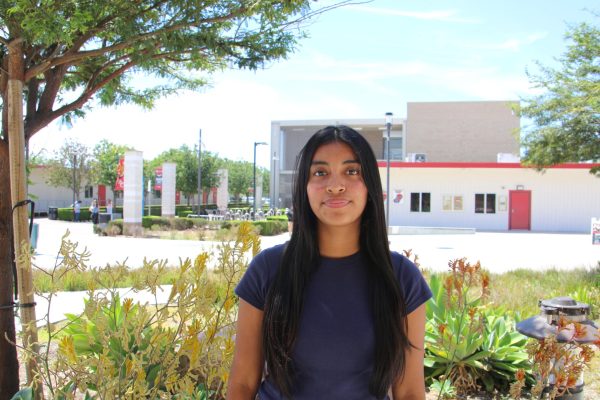
Sofia Rojas, a senior at Santa Ana High School, shares her student life in OC.
“In these shows they picture the norms of OC, but not what minorities face. Unlike the show I’m not shopping or on the phone with my friends all the time. I am family oriented, I have college applications to complete, and essentially don’t always live that particular social life,” Rojas said.
Orange County isn’t as picture-perfect as shown on TV. For example, in 2024, 7,322 individuals were experiencing homelessness in Orange County. Often, shows conceal cities with a population of Hispanics, Asians, African Americans, etc. Cities beyond the beach area are often overlooked and seen as inferior.
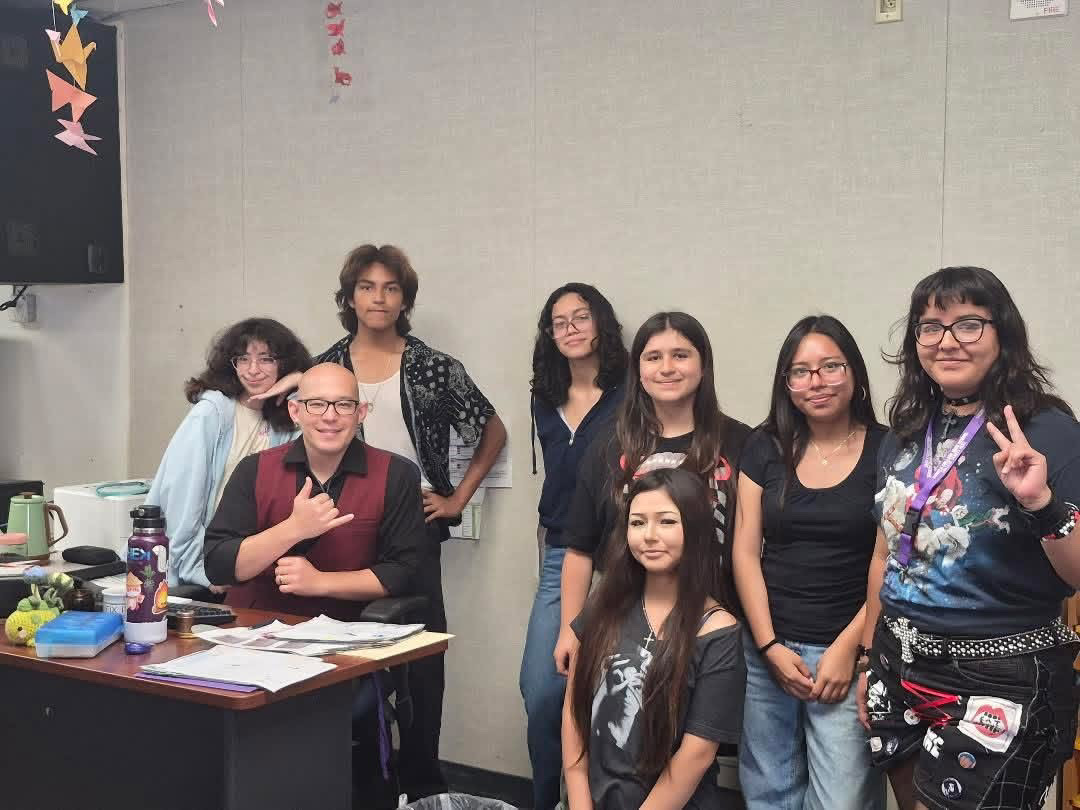
Alondo Campbell, a sociology professor at Santa Ana College, shares what Orange County is really like.
“Most people in Orange County are not rich, they work, pay bills, and live ordinary lives like anywhere else. What’s often overlooked is the reality of family dysfunction, drug abuse, domestic violence, homelessness, theft, robbery, everything you might find in any other city,” Campbell said.
Taken together, these voices and numbers point to an Orange County that is different from the one seen on TV. The version shown on screen misses the diversity of residents and shows that some live the opposite of the glamorous beach life, different from the one that is painted by TV.