



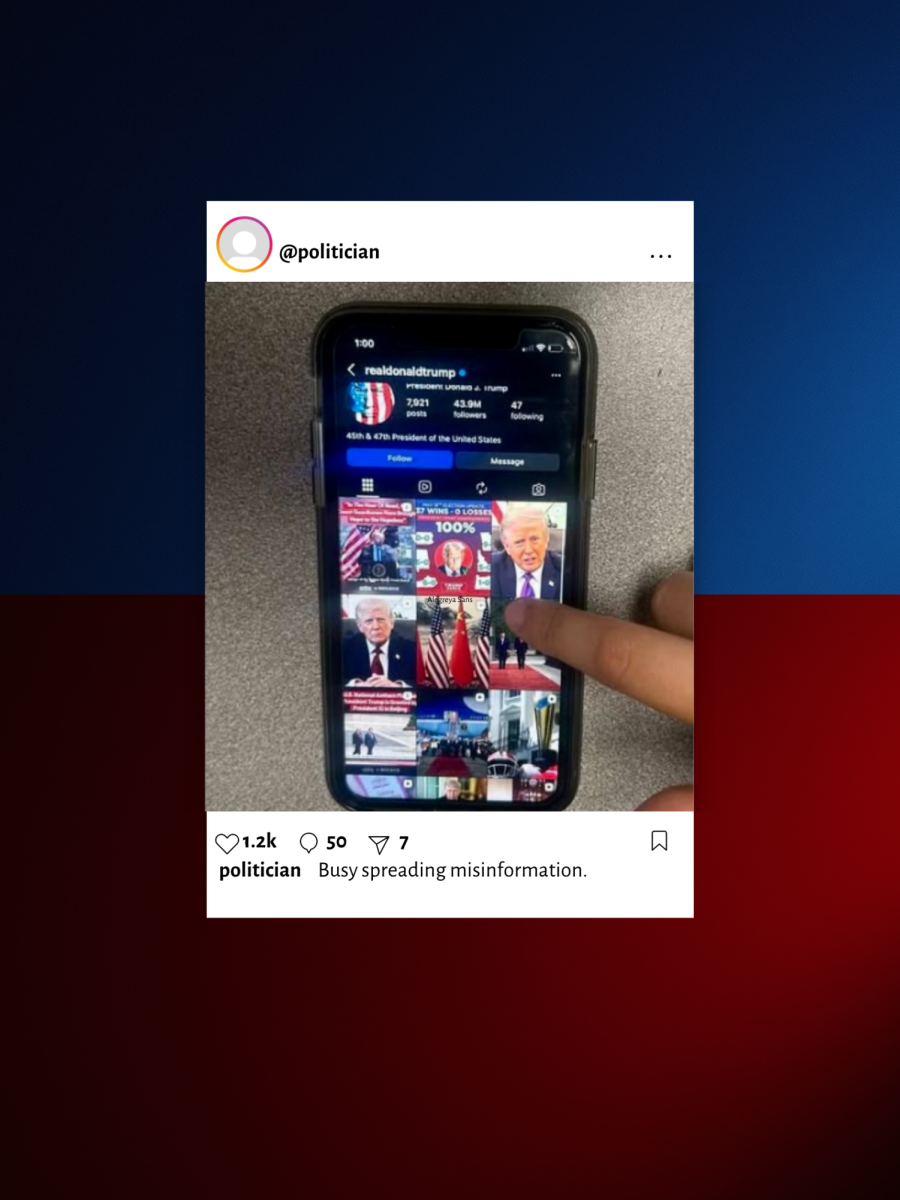











That’s a great place to be. She is a remarkable politician. This unnecessary slaughter needs to end. Are these actually your thoughts? Or were they forged by the photo you saw?
There is no question that the use of photography is everywhere. In advertising, political campaigns and in everyday news but have you taken time to think about how it affects you or how the photographer is trying to influence you?
Personal experience
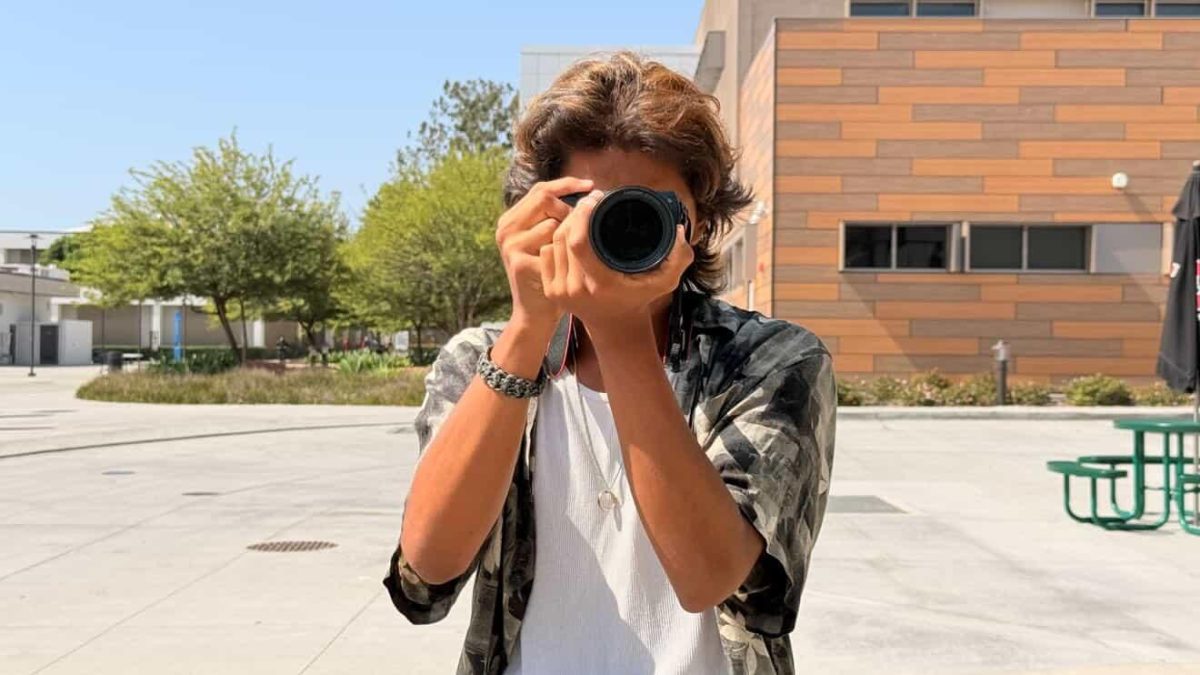
With my growing knowledge of photography, I was motivated to capture something on the streets of Santa Ana. For a short while I was unable to focus on anything and unable to find a good news angle. So I sat near the bus stop on Bristol street for about 10 minutes and I cleared my mind. It was at that moment I realized there are so many topics to cover. Especially on a busy street like Bristol. I could have chosen to highlight environmental issues created by litter on streets, even the history of the street itself. Alternatively the focus could have been on the ethics and importance of the Santa Ana police department. Or I could have focused on the public transportation that the city provides.
The big question I found myself asking is what gets shot and what gets left out? As I pondered that question I developed a new thought. What do I want people to see or feel and how can I make them visualize the issue from my viewpoint? These questions allowed me to make a connection to how professional photographers are able to manipulate and frame subjects in order to create a vivid image full of emotion.
The photographer
Most publishers have a code of ethics and editorial standards. An example of this is The New York Times, they strive to ensure that any published image is genuine and not altered to remove a subject. While they are strict about what gets published or how topics are framed, there is still technique that these photographers use to bring a specific perspective to life. This is clearly seen in their various images across their website.
The quality of a captured image is dependent on the photographer and these photographers always have some sort of personal bias. While bias shouldn’t influence their own work, they can choose how to frame a topic or individual depending on the amount of creative liberty that they are allowed to insert and what the publisher wants to promote. This is very important because with the photographer behind the shot, they have some control over how the viewer is exposed to the topic and how much of the topic gets seen.
Photography is very impactful because images are one of the few concepts that are capable of evoking emotional responses from viewers. In other words, emotion plays a key role in how you react to certain ideas. So with this form of media photographers are able to create emotion eventually shaping belief. Oftentimes people don’t believe what’s most accurate. They believe what they feel, and photography drives that.