


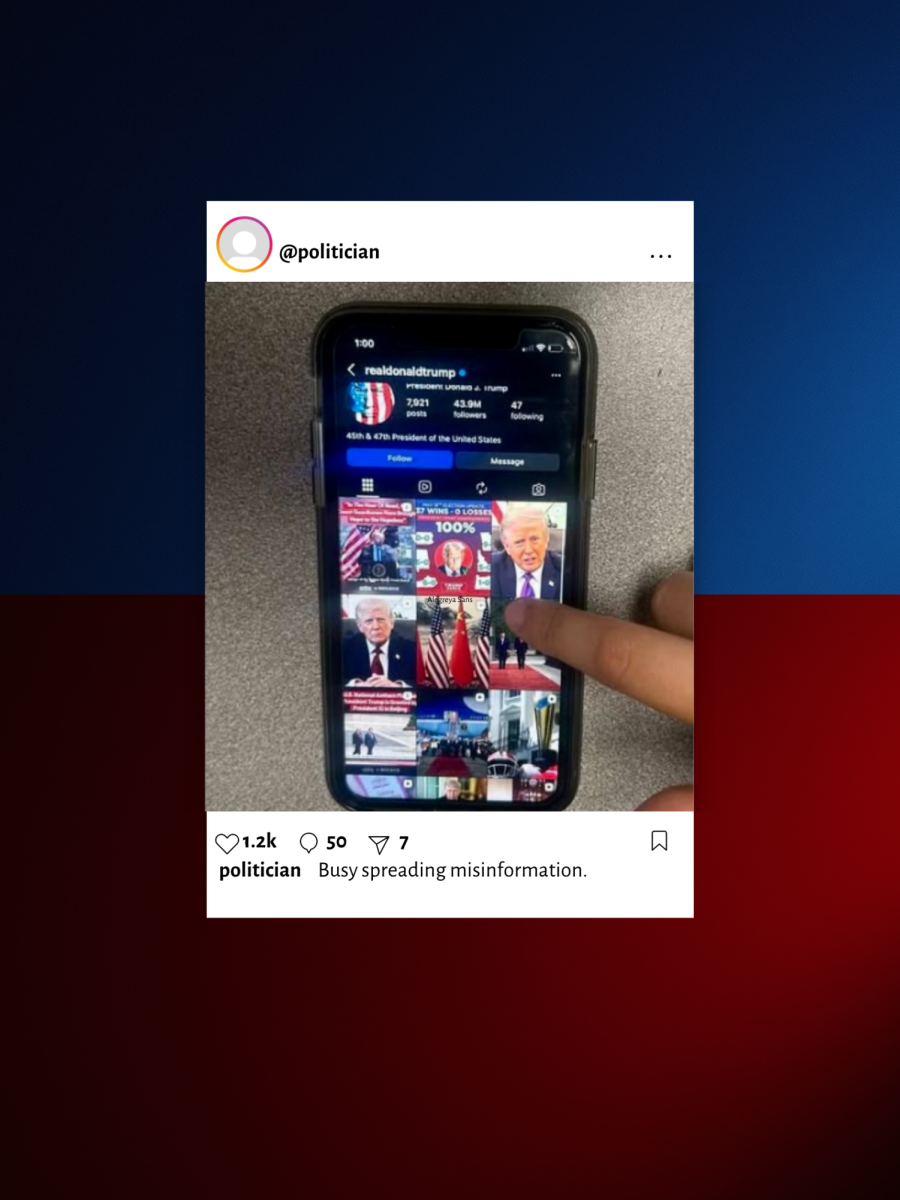











California students may not be old enough to vote, but many can already name the leading candidates in the state’s 2026 race for governor. Although, not from debates or policy papers, but from TikTok clips, YouTube ads and Instagram posts that flood their feeds between classes. From attack ads about crime and homelessness to carefully curated social media videos showing candidates eating tacos or touring college campuses, students say the campaign has become nearly impossible to ignore online.
As California’s gubernatorial race accelerates, political campaigns are increasingly targeting younger audiences through digital platforms where many students get their news. Interviews with our high school students suggest that while some are tuning out political messaging altogether, others are forming early impressions of candidates based less on policy positions and more on viral moments, memes and emotionally charged advertisements. The shift reflects a broader transformation in how campaigns attempt to reach future voters and how young Californians experience politics before they ever cast a ballot.
Many students are already developing opinions about political candidates through the content they encounter online every day. For some students, social media has become the primary source of political exposure, even if they are not actively searching for election coverage.
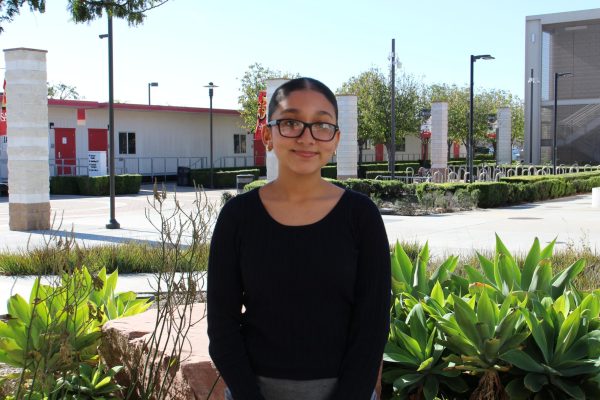
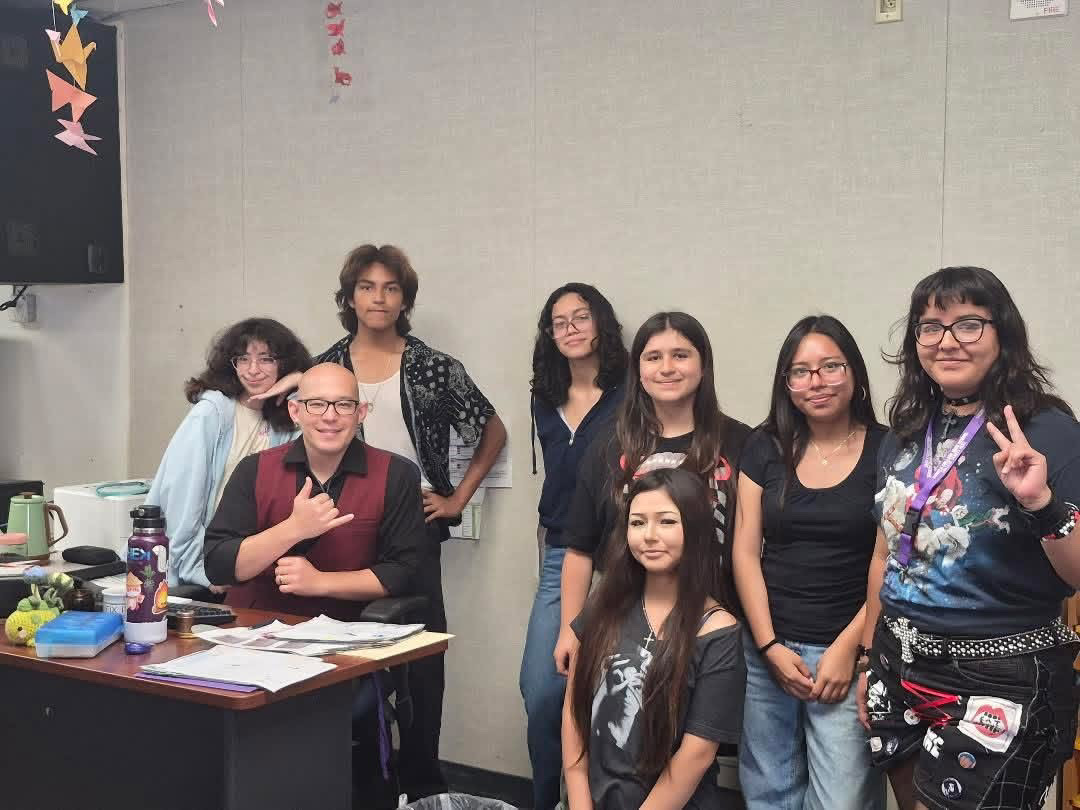
Sophomore Kristel Munoz shares her insight on what she has seen or heard so far.
“I mostly see information on social media like TikTok, Instagram and signs on front lawns of people,” Munoz said. “Sometimes I’ll hear stuff from family conversations or see ads on TV or streaming apps, but I don’t really go looking for political news myself.”
Munoz said the advertisements and political messaging that stand out most are often the most dramatic or emotionally charged.
“Usually the ones that are super negative are the most memorable, even if I don’t fully pay attention to them,” Munoz said.
Her experience reflects a growing trend among younger audiences who consume political information through fast-moving online content rather than traditional news sources. Muñoz believes campaigns hoping to reach students must adapt to those habits.
“Political ads can be effective for younger voters if they’re short, relatable, and posted online,” Munoz said. “A lot of students don’t watch regular TV, so social media ads probably work better than long commercials.”
At the same time, students acknowledge the challenges that come with receiving political information online.
“Most of the information I see comes from videos, posts, memes or people talking about candidates online. It spreads information fast, but sometimes it’s hard to tell what’s actually true,” Munoz said.
Other students expressed concerns about misleading political messaging and the influence social media can have on public opinion.
Sophomore Janelle Rodriguez expressed how some online posts she encountered appeared intentionally biased. One image portraying candidate Xavier Becerra with devil horns stood out to her as an example of negative political propaganda.
Some people may not research information thoroughly and can believe misleading claims unless they seem obviously unrealistic,” Rodriguez said.
Despite being surrounded by political content online, several students admitted they still do not feel fully informed about the candidates or policies involved in the governor’s race. Muñoz said politics can feel “confusing or boring,” especially for students balancing school, work and social lives.
Both students suggested that schools and online platforms could do more to help younger audiences better understand elections. Munoz believes students would benefit from “simple, unbiased” explanations of candidates and current issues, while Rodriguez suggested that “an unbiased summary generated by ChatGPT” could help students process political information more clearly.
As the 2026 California governor’s race continues, social media is likely to remain one of the most powerful tools campaigns use to shape public opinion among younger audiences. For many students, the first impressions they form about candidates may come not from campaign speeches or debates, but from the videos, memes and posts appearing on their screens each day.