
















Teens everywhere scroll through their feeds, watching countless news on elections, school policies and economic problems—things that will directly impact their futures—yet they’re never given an open mic to voice their opinions. Teenagers are living through the same political climate, and are affected by the same decisions as everyone else, yet their voices still get pushed to the sidelines. Young people often find themselves fighting to be taken seriously, even when they’re the ones inheriting the outcomes.
The gap between young people and the political world that shapes their lives, only gets exponentially larger. Teenagers are often dismissed as ‘too young’ or ‘unqualified’ to have a say, even when policies directly affect their education, rights and futures. More than just pointing out the problem, we dive deeper into what is lost when an entire generation’s perspective is ignored—and what could happen if their voices were finally taken seriously.
Teen perspectives shape policies that directly affect education, mental health, climate and student debt, making decisions more relevant and effective. Further inclusion of teens builds civic skills, critical thinking, debate, organizing and creates longer-term democratic habits.
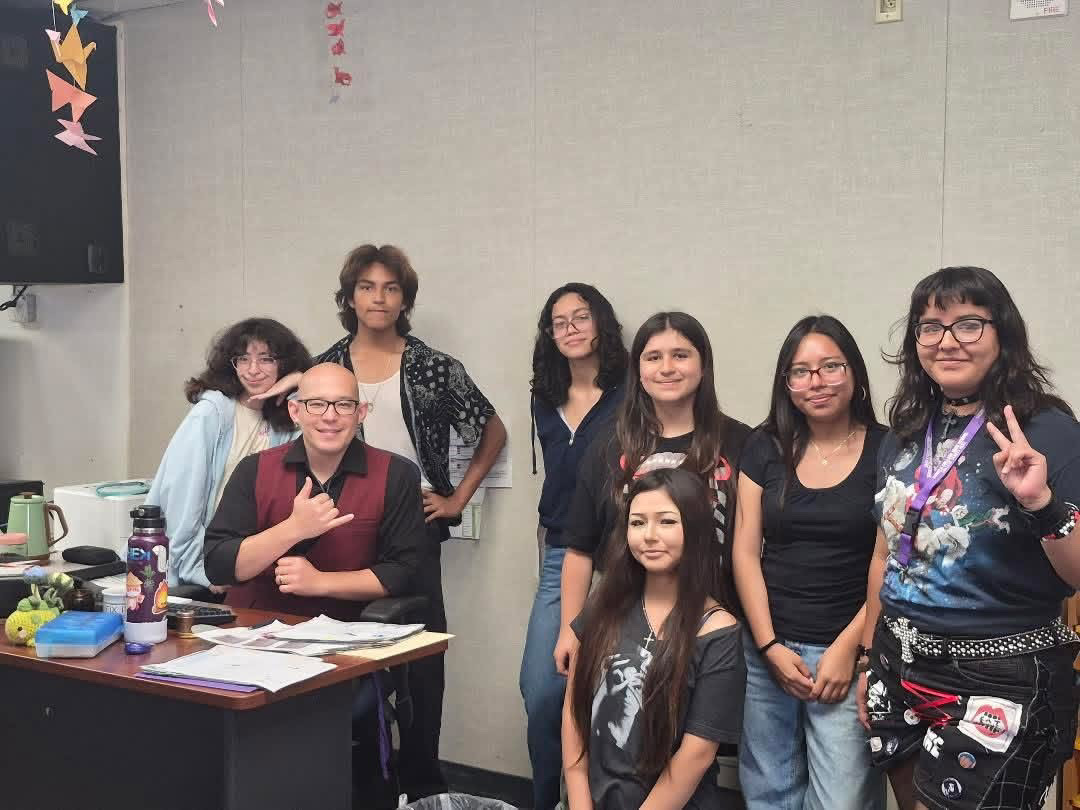
Sophomore Hush Vargas, provides his opinion on the early onset of civil engagement.
“Teenage years are very developmental years, and are the voice of the near future,” Vargas said. “If we start speaking about our future now we’ll have the knowledge about how to speak about an actual strong future for the next generation.”
It’s not unheard of for young adults and teens to have strong political opinions; age truly is just a number. Unfortunately, it’s a number that limits and discriminates. Ageism is blatantly present in the political world; young opinions are easily dismissed and often labeled as ‘unimportant.’
Yet, when teens get the chance to speak up, it makes a huge difference. 81% of adolescents who feel like their voices matter are extremely likely to vote as adults, compared to the 44% who never felt heard. Somehow, teens are still being constantly pushed out of political spaces as if their opinions don’t count, despite being the ones who will live with the long term effects.
Many teens agree that their involvement in politics is not just important, it’s necessary. To further emphasize the significance of teen inclusion, sophomore Alexandra Garcia adds her own insight.
“It is important because teens are the ones that live through the political decisions made for them,” Garcia said. “Besides, in the future we’re the ones that are going to be left with the political state when we come of age. The economy, the civil unrest and all that stuff it’s all gonna be up to us to fix.”
It’s apparent that teen influence is a popular subject. Many young people not only want their voices heard but also to be taken more seriously. Still, if this issue is talked about so much, why hasn’t there been noticeable change?
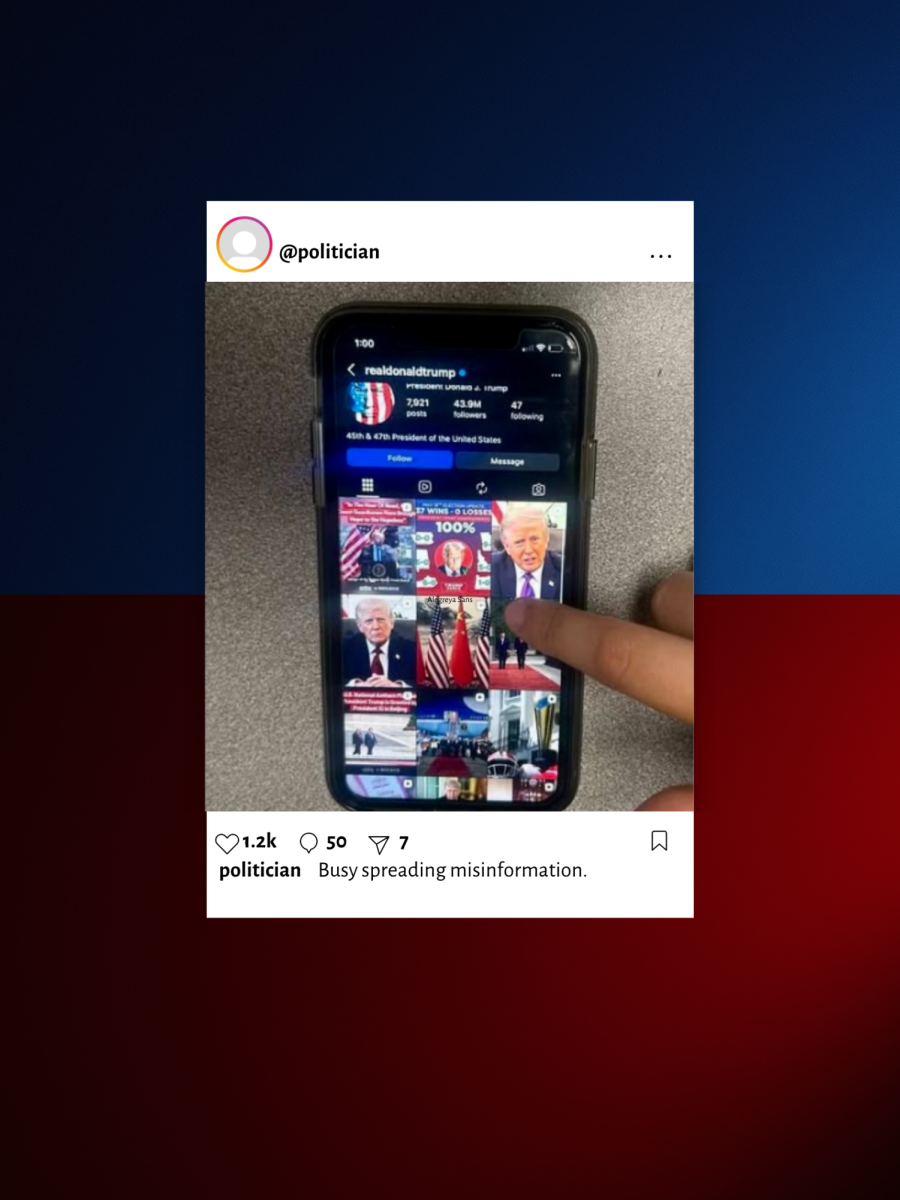
“The biggest barrier is probably older politicians. A lot of them are old fashioned or stubborn so they don’t really respect young voices. I think they assume we know nothing about politics because we’re younger,” Garcia said.
Headstrong politicians often become a recurring blockade that keeps teens out of the conversation. Many young people like Vargas and sophomore Samantha Martinez, express the same frustration.
“Lots of politicians are typically older, in their 40s or 50s and generally that generation sees teenagers as unprofessional and irresponsible and don’t believe that we know what is good for our future,” Vargas said.
“Adults think they [teenagers] are too immature and unable to make decisions,” Martinez said.
The youth want change, and they want it now; but inclusivity is a two sided coin; teens can shout as loud as they want, but real change will only happen when those with power agree to listen. Martinez and Vargas share their best solution to this.
“[Politicians can promote inclusivity] by allowing teens to present their ideas and explain their reasons instead of being biased towards them,” Martinez said.
“Politicians can actually listen to the younger generation, but also let them have a word in education and reforms,” Vargas said.
In the end, teen voices shouldn’t be overseen. Silencing young people doesn’t stop them from caring, it only delays the progress they’re ready to make. When teens are taken seriously, political conversations become more honest, more relevant and more reflective. Change won’t come overnight, but it starts with something as simple as listening. And the moment the political world finally chooses to listen to its youngest members, the future stops feeling like something teens have to fix alone.