



















It used to be simple: put in the effort, get a degree, land a great job and buy a place to call home. For a lot of teenagers today, that classic American Dream feels more like a bedtime story instead of something we can realistically achieve.
For many teens, the traditional path has become less attainable than it once was. With costs rising, pressure building in school, and an unpredictable economy. Instead of following old expectations, today’s students are shaping a dream that fits their own goals, values and the life they can actually imagine living.
The American Dream is the belief that people can find success in the United States if they’re willing to work hard and stay determined. It sounds straightforward, but many people now question how reachable that path really is. With higher living expenses, widening wealth gaps and unequal access to education, the road to “success” has narrowed for many, especially in the world we live in now.
Chasing your goals is still possible, but college and earning a degree can be extremely expensive, especially if you hope to attend a well-known school.
Alondra Beiza shared what the American Dream means to her.
“I do think it is achievable with hard work and dedication, but I also think that the American Dream is somewhat an illusion, and that people portray it as something amazing but don’t actually show the downside of it,” Beiza said.
Beiza provides a strong perspective about the American Dream and how it can look perfect at a glance but not as accessible as it may appear.
“In the time we live now I don’t think I’ll be able to achieve it with the way prices are increasing, and the government has a lot of flaws which will increase in the future,” Beiza said.
She adds that rising costs and growing issues within the government make her uncertain about her future—something many teens today can relate to as they plan their lives after high school.
Sophomore Diana Granados, shares a similar, more personal concern.
“I would say that the way things are right now the dream isn’t unrealistic for many people, especially for immigrants because of the current political state,” Granados said.
Granados explains that many immigrant families feel an added layer of pressure because of the economic challenges and political issues that make the dream feel even farther away. Specifically for students that are already juggling school and family responsibilities. Now they have to be concerned with their financial stability, making it almost impossible to feel secure.
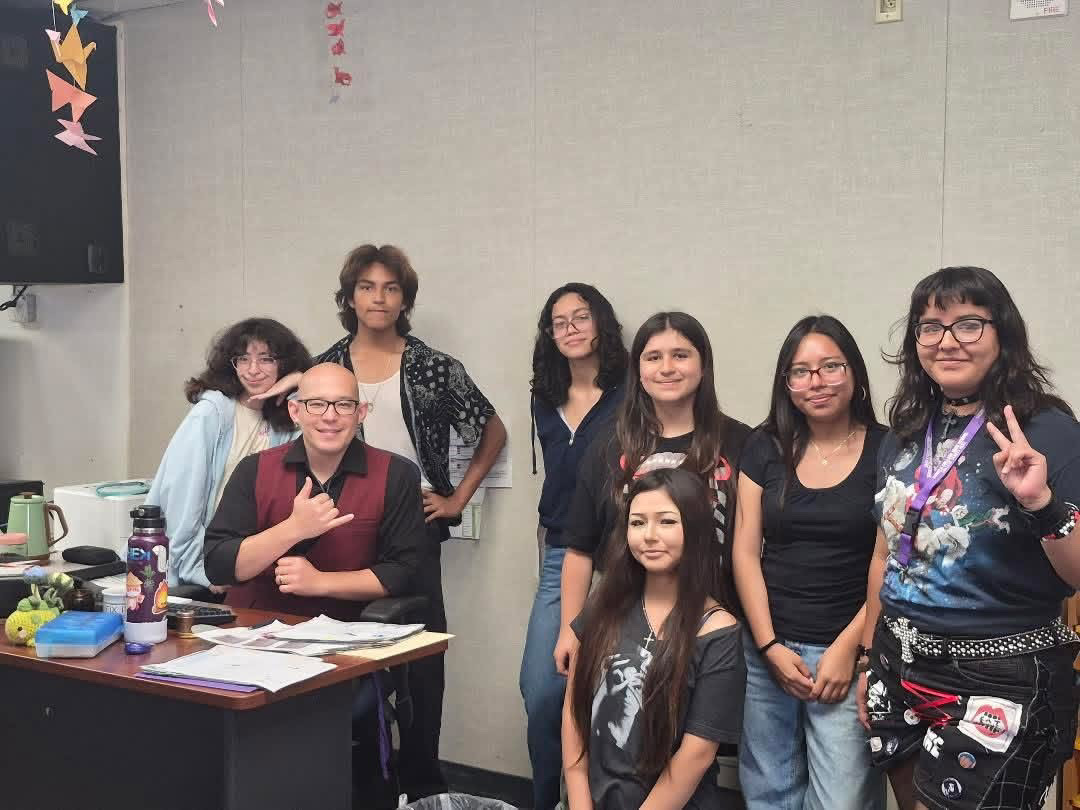
AVID teacher Amy Holte sees all of this from the classroom. She believes the American Dream can still be reached, but not as easily as before.
“I think it can be achievable, but it is definitely not as easy as it once was. Generational privilege and wealth play a huge role today. Some families start several steps ahead, while others face barriers that make the path much harder. Opportunity still exists, but it isn’t evenly distributed,” Holte said.
She explains that generational wealth and access to strong schools play a big role in who gets a fair shot. To her, the dream is about growth, stability and creating more possibilities for the next generation.
“At its core, the American Dream is about growth, stability and the chance to advance, not just for yourself but for your family. It’s about having access to opportunities that allow you to thrive, regardless of where you started,” Holte said.
Her view highlights how education opens doors and gives students a real chance at having financial stability and mobility.
In the end, every perspective points to the same truth: the American Dream isn’t gone, but it has become harder to reach. What remains clear is that the dream will only stay alive if the country continues to make opportunities fair and accessible to everyone.