














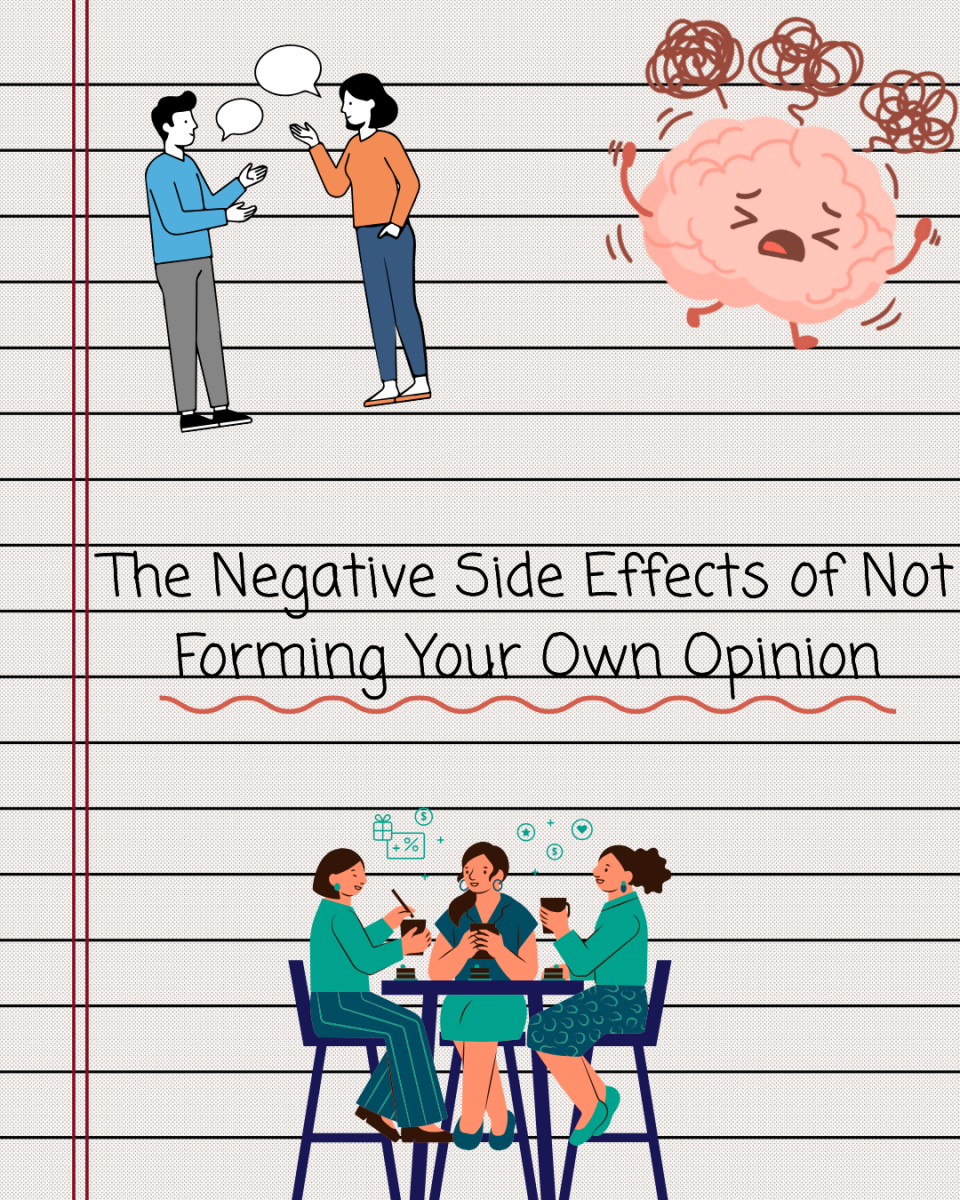
Ask a room full of students where they stand on a political issue and many will shrug or repeat a familiar phrase that they have heard online, in classrooms, group chats and even friendships; opinions are often borrowed from one another rather than built.
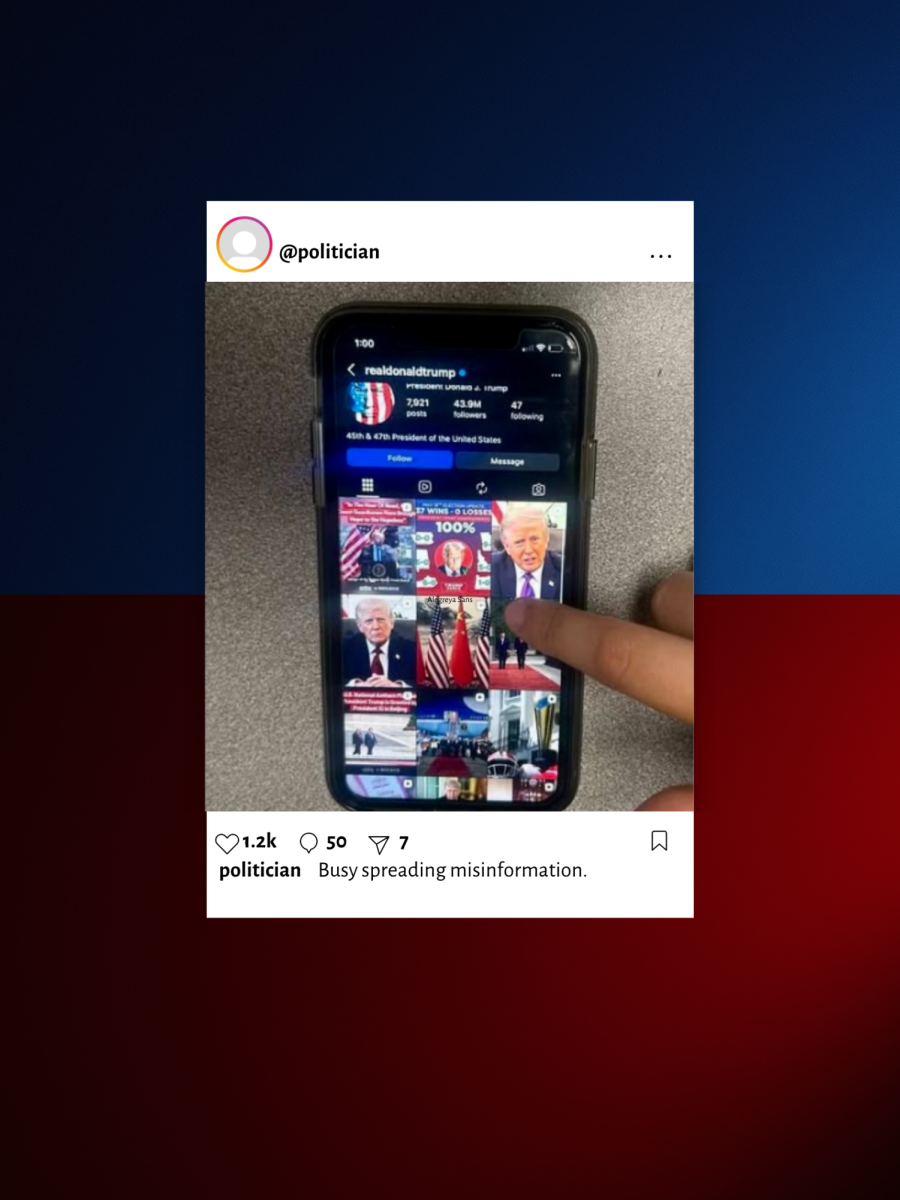
Not forming an opinion might seem harmless — or even the polite thing to do — but silence carries consequences. When students avoid taking a political stance out of fear of being wrong, judged or challenged they allow others to think for them. This phenomenon is especially visible in politics, where neutrality is often mistaken for maturity, even though it can reinforce harmful systems and silence movements.
Through the conversations held between students who are vocal about their beliefs, I found that many students feel a pressure to conform.
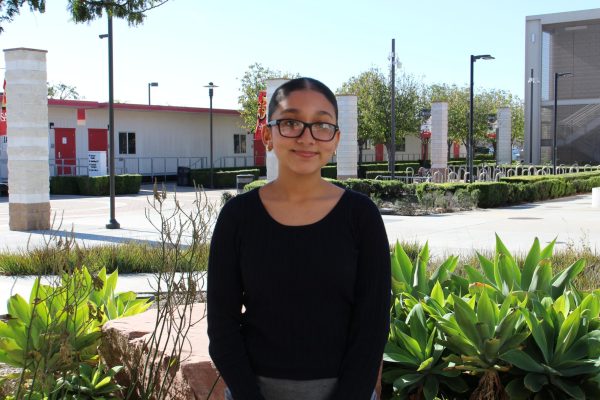
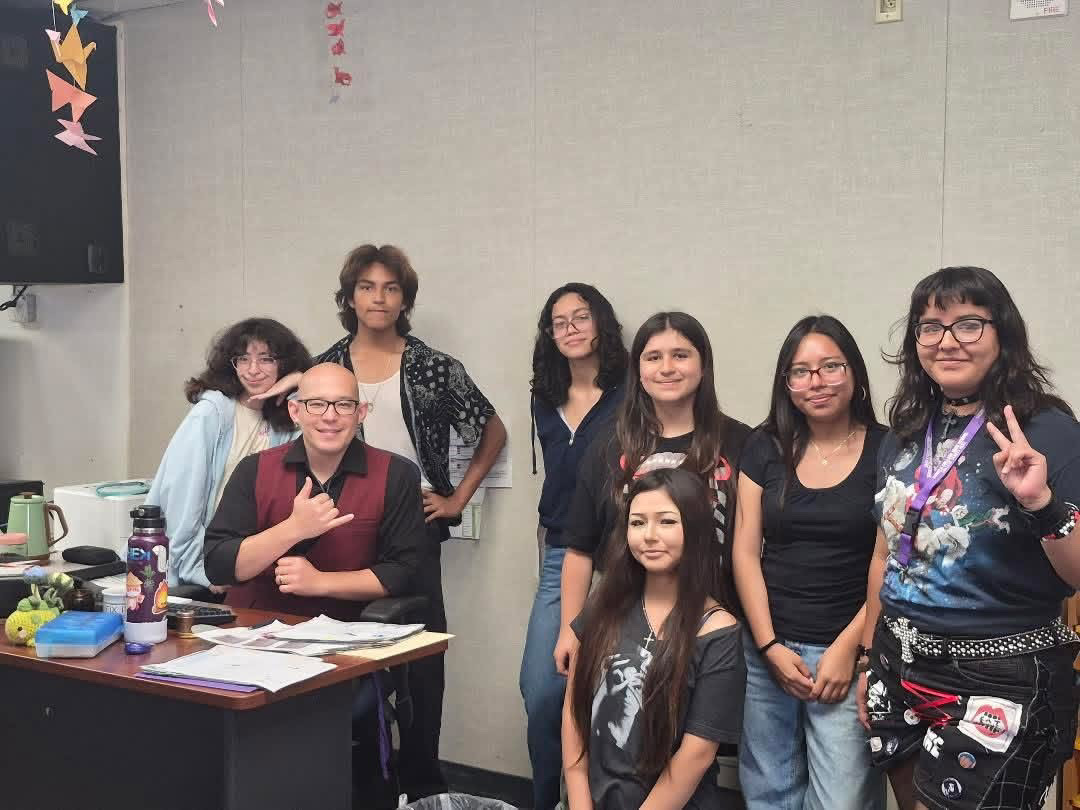
Junior Kimberly Olmedo shares her insights on opinion formation.
“It pushes me to listen carefully, question what I hear, and understand different experiences before deciding what I believe…with topics like politics, I try to stay open-minded while thinking critically, because these issues affect real people’s lives,” Olmedo said.
Olmedo believes that forming her own opinions is a form of respecting herself and others. She admits that influence is natural.
“Social media often introduces me to stories or perspectives I wouldn’t hear otherwise, which makes me reflect and sometimes rethink my views,” Olmedo said. “My family’s values guide me, but I balance that influence with my own reasoning so my opinions feel authentic.”
However, Olmedo notes that avoiding an opinion can come from fear of judgment.
“It can also lead to staying disconnected from issues that matter,” Olmedo said. “I think most people have at some point avoided sharing their thoughts to avoid conflict or being judged.”
Sophomore class president Emiliano Morales provides his input on the impact of social media and public opinion.
“Social media spreads information quickly, but it also makes it easier for people to judge or attack others,” Morales said. “It’s hard to speak up because no matter what you believe, someone will disagree.”
Both students agree that voicing an opinion can be intimidating, especially if their views don’t align with those of their peers.
“I’ve felt the pressure to stay quiet before, especially when most people around me thought the same way,” Olmedo said. “But I’ve learned to pause and reflect on what I truly believe.”
Despite these pressures, Olmedo and Morales emphasize the importance of respectful conversations.
“I try to listen before reacting,” Olmedo said. “Even if I disagree, I remind myself that their opinion comes from their own experiences. Sometimes hearing a different perspective helps me understand an issue more deeply.”
Both agree that creating safe spaces for open dialogue is essential for helping students express their views without fear of judgment.
“When someone has a different opinion, I try to listen first. Shutting people out only creates more division,” Morales said.
Ultimately, avoiding an opinion can lead to disengagement with important issues and a lack of personal growth. Forming and expressing independent opinions is crucial for building confidence and contributing meaningfully to political discourse. Students around the U.S. can agree that while it can be challenging to speak out, respectful conversations and critical thinking help students grow into more thoughtful, engaged individuals.