



















“We’re going to run the country until such time as we can do a safe, proper, and judicious transition,” Trump said. When the decisions made in the White House result in military action in Caracas or tariffs affecting Mexico’s oil partners, the consequences are to communities across the United States.
This article examines how the U.S. government’s actions toward Venezuela and Mexico ranging from military intervention to agreements are shaping conditions both abroad, and community life in the U.S. Do countries like Venezuela and Mexico stand to benefit or suffer from these heavy-handed policies?
U.S. history with Mexico and Venezuela
Early on relations between the U.S. and Venezuela were shaped by a heavy reliance on Venezuelan oil. While the two countries cooperated during the Cold War, tensions increased as Hugo Chávez openly criticized U.S. influence in Latin America, leading to minimal diplomatic communication by the early 2020s. In contrast, U.S. relations with Mexico developed through events such as the Mexican-American War, U.S. business investments, trade agreements, and an ongoing focus on border security.
Louis DeSipio, a Political Science professor at University of California, Irvine explains the history of U.S. involvement with Venezuela and Mexico.
“The U.S. has had an imperial past with both countries. The U.S.-Mexican War took half of Mexico’s territory. In the early and mid-20th century, the U.S. shaped political outcomes in Venezuela through military threats and financial pressure,” DeSipio said.
U.S. intervention in Venezuela
On January 3, 2026, the U.S. carried out a capture of the Venezuelan president Nicolás Maduro and his wife Cilia Flores, with an accusation of participating in narco-terrorism, drug trafficking and weapons charges. Although, approximately 1% of illegal drugs in the United States originate from Venezuela. This was the largest U.S. military intervention in Latin America since 1998. President Trump stated that Venezuelan officials would turn over sanctioned oil and negotiate an energy deal in which the United States will largely control Venezuela’s oil industry.
“But interventions rarely result in democracy. They may create short-term security, which is often enough for a president who serves four or eight years, but they create long-term problems that often ultimately undermine security,” DeSipio said.
Venezuela as of 2024 was home to one of the largest mass migrations ever on the Latin American continent, with almost eight million people fleeing the country due to food, water, and medicine shortages. Over the course of Maduro’s presidency the government stopped coverage of opposition, banned street protests, replaced congress with Constituent power packed with legislators loyal to Maduro’s regime and was in speculation of a fraudulent election.
“But oil production is down and the industry is suffering from neglect from the government since it is government owned. This is what caused the recent American intervention in Venezuela. The U.S. labeled it as a Criminal indictments against Venezuela leader for increased drug smuggling seen in the U.S. and a humanitarian aid effort to fix the economical and social issues in Venezuela,” Moa said.
U.S. intervention in Mexico
Conversations between Mexican President Claudia Sheinbaum and President Trump are repeated offers to send the U.S. military after the cartels, which Sheinbaum has always declined. Trump insists that if Mexico asks for help, they will send it, stating “The cartels are running Mexico. It’s very sad to watch”. Though, experts say U.S. intervention in Mexico is unlikely because the country is doing what the U.S. asks.
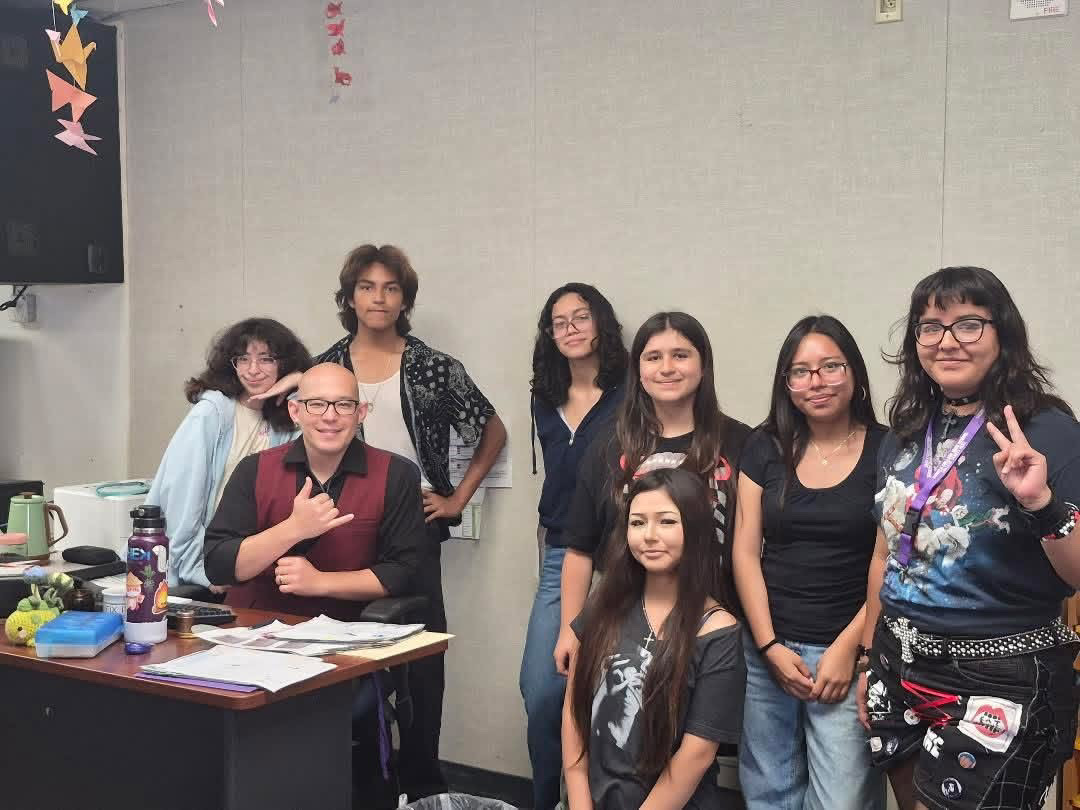
Kealakekua Moa, World History teacher at MCHS explains what the relationship between Mexico and the U.S looks like.
“Depending on the leader of Mexico, depending on the relationship with America, there seems to be an ebb and flow in approximately 30 year increments of anti or pro American vibes. Despite this, any time Mexico is willing to work with America, America invests,” Moa said.
The impacts of U.S. intervention
U.S. sanctions on Venezuela, intended to pressure Maduro’s government, have been connected to economic decline and large migration crises, contributing to a high number of arrivals of Venezuelans in the United States. U.S. and Mexico cooperation have further shaped migration flows, border enforcement policies and local labor markets in the United States. With the U.S. in 2025 threatening tariffs on Mexican exports tied to migration and security issues.
Regina Piña, a sophomore at Canyon High School sheds light on what she thinks of U.S. intervention in other countries.
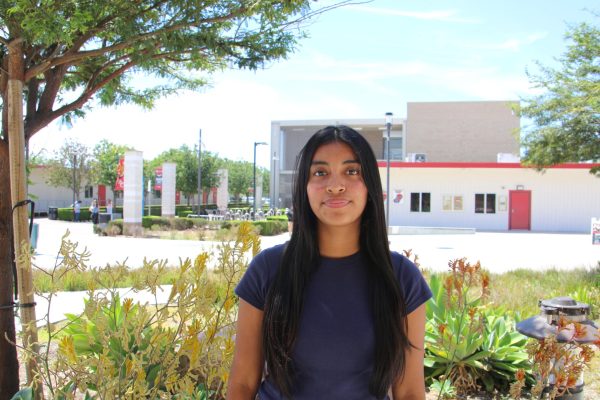
“U.S. intervention might help by making things more stable and supporting rights, but it can also cause problems like more conflict or people getting upset with the U.S. When I see headlines about immigration or foreign issues, it sometimes makes me feel confused or worried because it’s a lot to understand, but I know it’s important since it affects people I know,” Piña said.
U.S. intervention in Venezuela and Mexico impacts local U.S. communities by driving immigration and political debate. With the Department of Homeland Security in September 2025 ending temporary protected status for Venezuelans residing in the country, arguing it undermines the Trump administration, creating legal uncertainty. Expanded immigration enforcement and community raids directly affects residents, leading to family separation and fear.
“People will argue that strict immigration laws violate human rights, but I do not agree with this sentiment. There are countries in Europe with much stricter immigration laws than America, but are not held to the same standards as the U.S, so why is the U.S. held to a different standard compared to other modernized countries,” Moa said.
While aimed at restoring stability, U.S. actions in Venezuela and Mexico represent shifts beyond the borders of each country. Demonstrating long-term strategic uncertainty within communities in these foreign countries and our own. Understanding foreign policies and intervention as a community allows us to decide what’s right for our communities.