




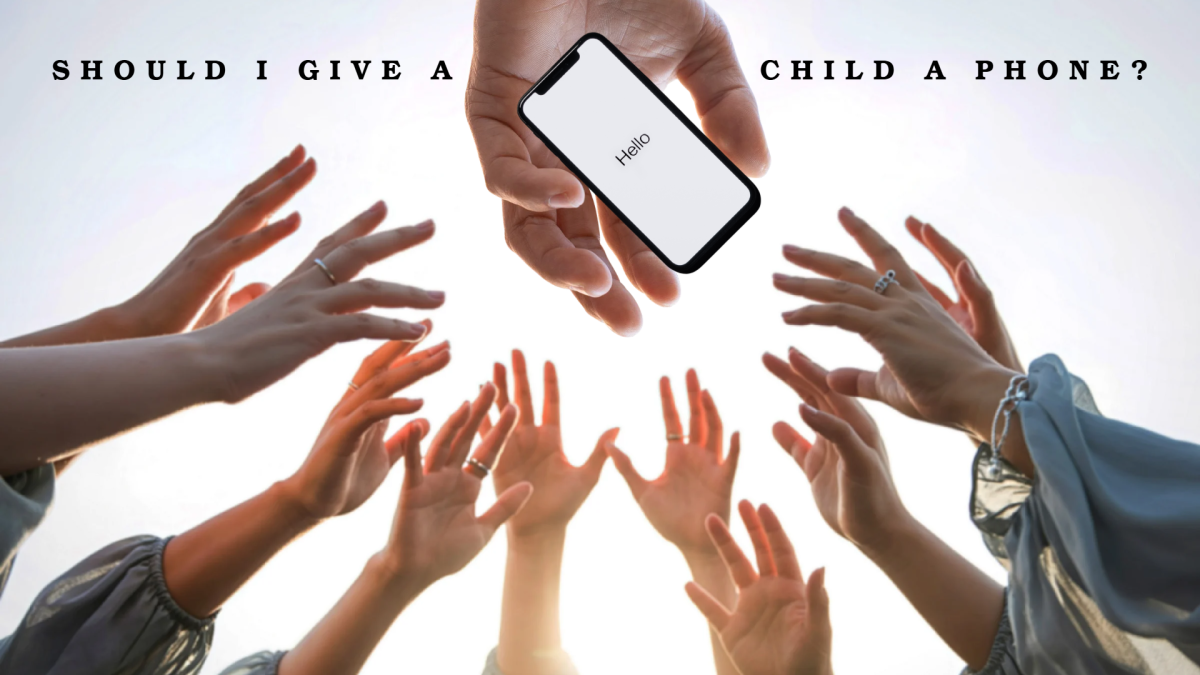



















In a major move that could change teenage life across the country, Australia has introduced strict new social media laws blocking users under 16 from platforms like TikTok and Instagram. What once was a daily routine of scrolling, posting and messaging has now become a challenge for millions of young users, as nations like France consider similar laws.
Australia’s new regulations aim to protect young people from online risks such as safety and mental health concerns by limiting access to social media for users under 16, including users who have parental consent. The laws apply to platforms that enable online social interaction and allow posts from users, as well as require companies to use age verification technology. However, critics argue that these systems are unreliable and easy to bypass. As countries like France consider similar laws, many teenagers, parents and educators are questioning how these changes will affect communication, freedom and daily life online.
The push for stricter laws comes as social media companies are being taken to court. On Feb. 18, 2026, Meta CEO Mark Zuckerberg testified in a California court in a major social media addiction case. The lawsuit was filed by a young anonymous user who claimed that platforms like Instagram and YouTube are designed to keep teens scrolling, affecting their mental health. During the trial, lawyers showed company documents that discussed increasing the amount of time teenagers spent on the apps. Meta denied the claims and said its platforms are meant to help people connect, not harm them.
For many teenagers, the new regulations feel less like protection and more like restrictions, especially those closer to the age limit. Lilibeth Ochoa, a 14-year-old student, said the changes could worsen teenagers’ mental health.
“Some teenagers use their phone as an escape from their house and people. It just depends what you use it for,” Ochoa said.
She explains that for some teens, social media provides a way to relax, connect with friends and feel supported during stressful situations. She believes that removing access entirely could leave some young people feeling more isolated rather than protected.
Parents see the law differently. Mariela Morrison, a parent of a child under 16, said the regulations would be beneficial to teenagers’ mental health and safety.
“A lot of young kids are easily convinced or very gullible, and they end up meeting with what turns out to be an older creepy man when they were expecting someone their age,” Morrison said.
While supportive of the law’s intentions, Morrison said some parents are concerned about how age verification will be handled and whether teenagers will find ways around the restrictions. She added that parents also play an important role in supporting these laws by setting and enforcing rules around phone and social media use at home.
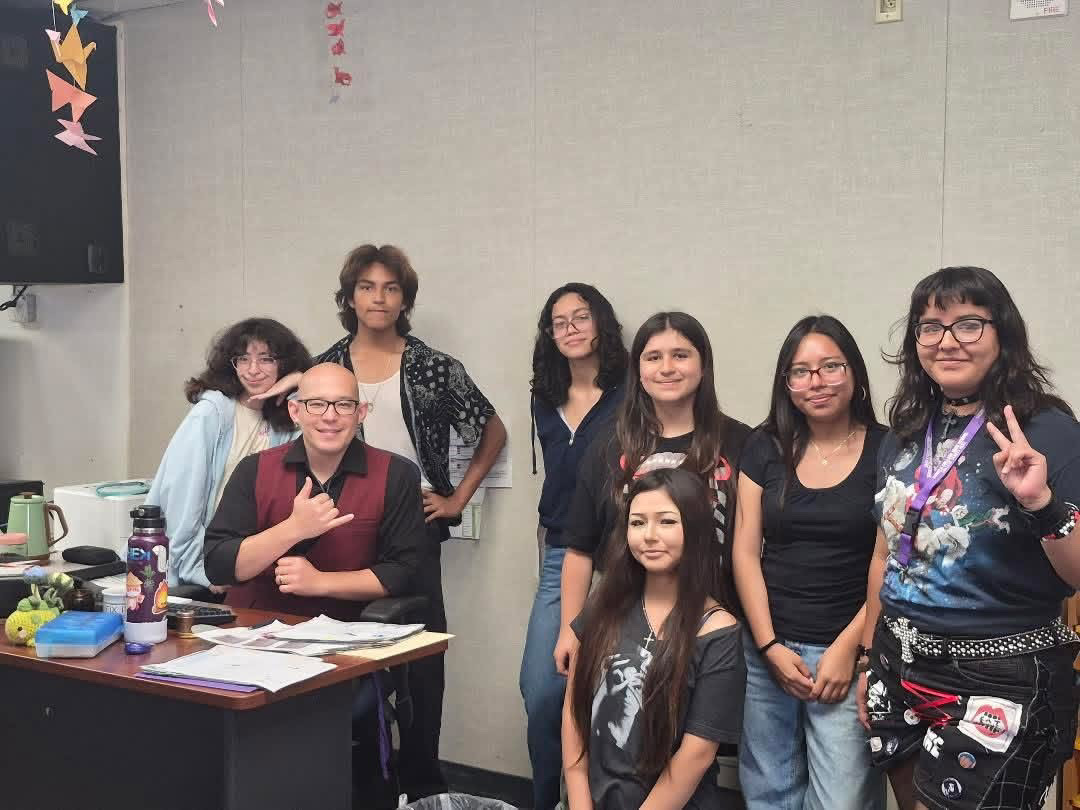
Educators also see the impact of social media in their classrooms. Ms. Villalpando, a teacher at Middle College High School, said the restrictions could encourage healthier boundaries and reduce distractions. She noted that while some students may find ways around the laws, they are more effective when parents and schools work together to enforce them.
“At the high school level (mainly at Middle College), I rarely experienced major phone-related conflicts. Students often listened to music, but when asked to put devices away, it was generally not an issue. However, this shows that maturity, structure, and clear expectations can make a difference when boundaries are consistently enforced,” Villalpando said.
Her experience suggests that social media restrictions alone may not solve the problem, but when combined with guidance from adults, they can help create a more focused and supportive learning environment for students.
As countries like Australia continue to tighten social media regulations, the debate over online safety versus personal freedom is yet to be settled. Teenagers, parents and educators all view the laws differently, shaped by their own experiences and concerns. While the regulations may not be a perfect solution, many agree that protecting young users will require more than just government action. Consistent guidance from parents and clear expectations in schools, may determine how effective these laws are.