



























The gold medal should have been the headline.
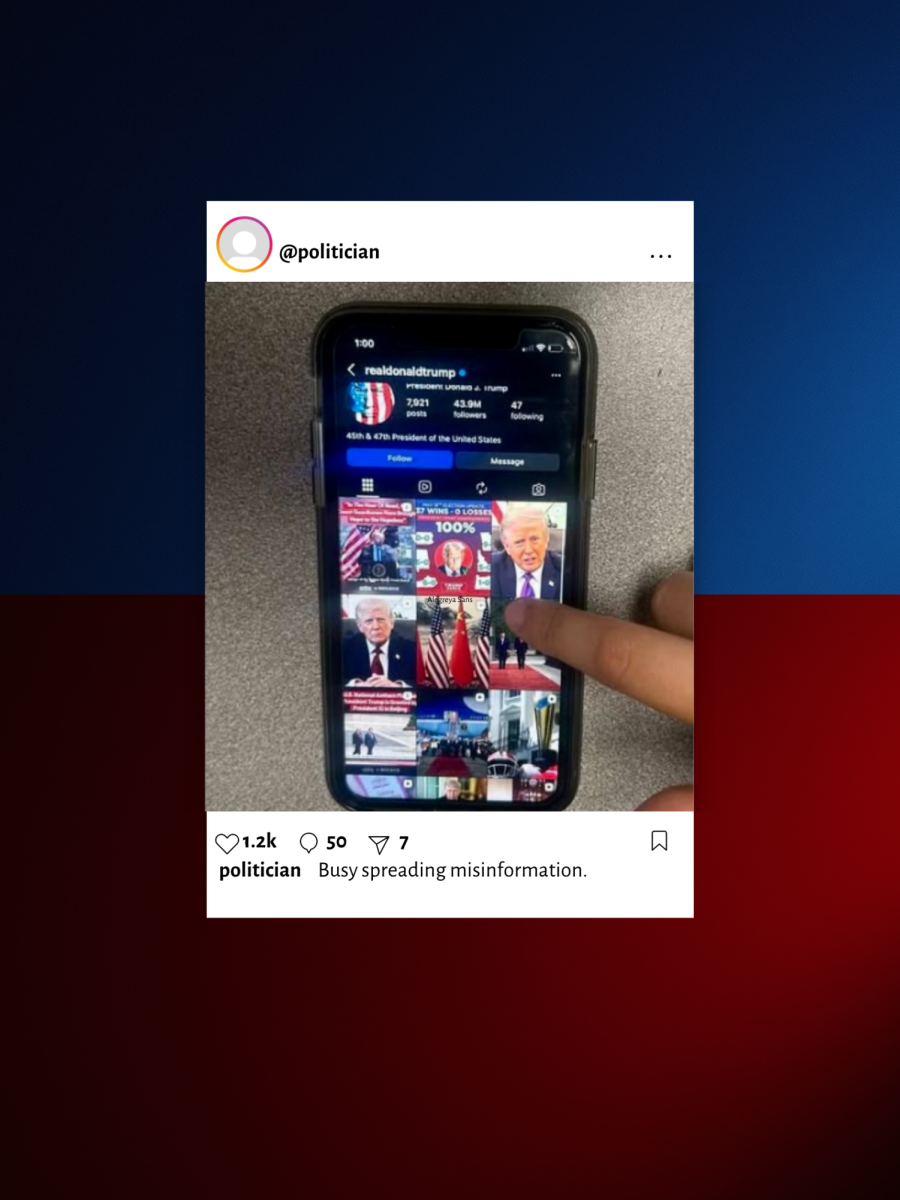
Just days after the United States women’s national ice hockey team defeated Canada in overtime to win Olympic gold at the 2026 Winter Games, the conversation surrounding their historic victory shifted from the rink to the White House. A joke made by President Donald Trump during a congratulatory phone call with the men’s team quickly ignited a national debate, leaving many wondering why one of the greatest moments in women’s hockey history was suddenly overshadowed by controversy.
The moment became a flashpoint in a much larger conversation about how women’s sports are recognized and discussed in the United States. After Trump joked that the women’s team would also need to be invited to the White House “or he might get impeached,” the comment drew criticism from players and fans, including team captain Hilary Knight, who called it a “distasteful joke.” Although the team later declined an invitation to attend the State of the Union address due to scheduling conflicts, the situation quickly spread across sports media and social media, shifting the spotlight away from their Olympic triumph. Now, the controversy raises a deeper question: even when female athletes reach the pinnacle of their sport, why does the recognition they receive so often come with an asterisk?
The reaction to Trump’s comment was immediate and widespread, drawing attention not only from sports fans but from major media outlets and public figures. What began as a celebratory moment for both the men’s and women’s Olympic hockey teams quickly evolved into a broader cultural conversation, with the women’s team at the center of it. Coverage of the team’s victory became intertwined with political discourse, shifting the narrative away from their performance on the ice and toward the implications of the remark and the response that followed.
In the following days, the story took on a life of its own as it spread across social media, sports talk shows and gained national news coverage. What started as a single remark quickly became a point of ongoing debate, with reactions extending beyond the hockey community. The conversation shifted toward larger questions about the role of politics in sports and how athletes are expected to respond in highly public situations. As coverage intensified, the focus moved further away from the details of the championship game and toward the broader implications of the moment, reinforcing how quickly attention can be redirected, even in the wake of a historic win.
The speed at which the narrative shifted reflects a larger pattern within sports media, particularly in the coverage of women’s athletics. Despite the increasing popularity and competitive success of women’s sports, they continue to receive significantly less attention than their male counterparts. Industry data shows that women’s sports account for only a small percentage of total sports media coverage in the United States, even when considering the wide range of collegiate, professional and international competitions. When narrowed to professional leagues alone, that visibility decreases even further, reinforcing a gap in how achievements are recognized and sustained in public conversation.
This disparity has broader implications beyond a single event. Media coverage plays a critical role in shaping public perception, influencing everything from sponsorship opportunities to long-term fan engagement. When women’s sports receive less consistent attention, moments of success are more vulnerable to being overshadowed by external narratives. In this case, a historic Olympic victory, one that required years of training, discipline and elite performance, was quickly reframed through a political lens, illustrating how fragile that recognition can be.
The structure of the sports media industry also contributes to these patterns. Women remain underrepresented in key roles within sports journalism, including reporting and editorial positions. With fewer women involved in decision-making processes, there are fewer advocates shaping how stories about women’s sports are told and prioritized. As a result, coverage may be more likely shifted toward controversy or novelty rather than sustained analysis of athletic achievement.
At the same time, the reaction to the women’s hockey team demonstrates the growing visibility and influence of women’s sports in national conversation. The widespread attention surrounding the situation suggests that audiences are increasingly engaged, even if that engagement is not always centered on the athletes’ performance. The fact that the story extended beyond sports media into entertainment and popular culture further underscores its impact, showing how moments involving women athletes can resonate across multiple platforms.
Still, the central tension remains. The U.S. women’s national ice hockey team achieved one of the highest honors in international sports, delivering a dramatic and historic victory on one of the world’s biggest stages. Yet the lasting conversation surrounding that moment was defined not only by what happened on the ice, but by how it was discussed afterward.
In the end, the story is not just about a single comment or a single decision. It is about the conditions that allowed that moment to overshadow the achievement in the first place. As women’s sports continue to grow in visibility and influence, the question is no longer whether these athletes will succeed at the highest level. The question is whether their success will be recognized on its own terms, or if it will continue to share the spotlight with forces that pull attention away from the game.