










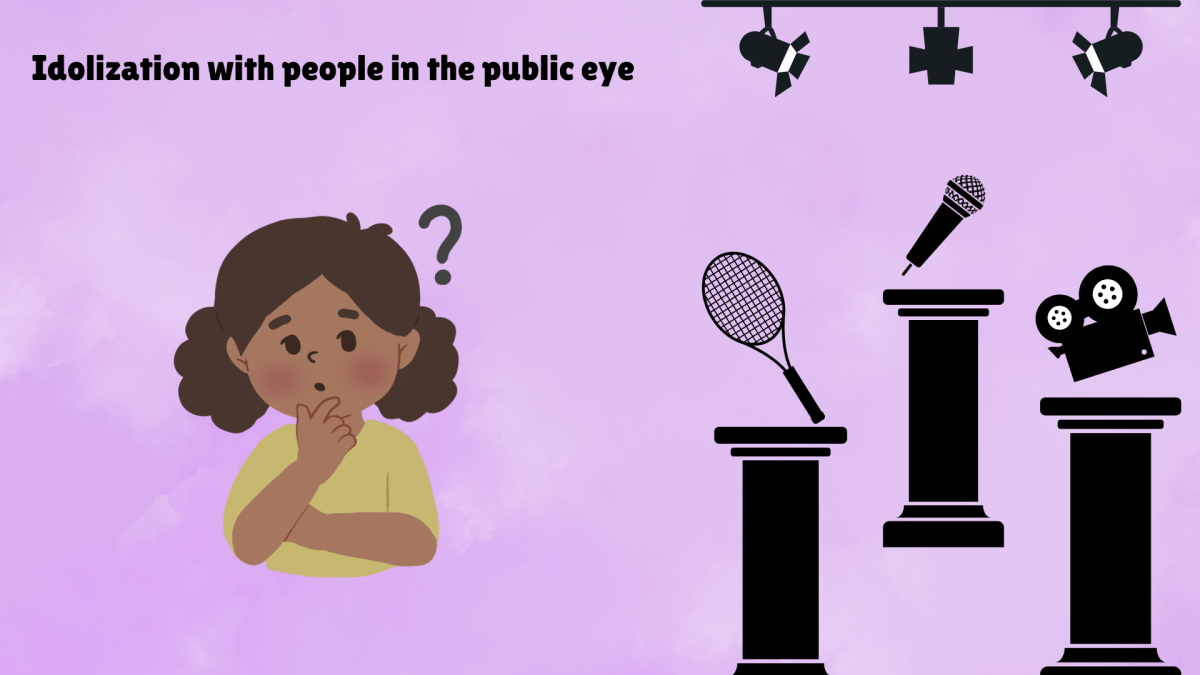
There have been many popular idols throughout the years. These people can range from musical artists like Taylor Swift, Peso Pluma and Kendrick Lamar to actors such as Michael B. Jordan, Ella Purnell and Pedro Pascal. Other times people idolize athletes like Charles Leclerc or Serena Williams. But how can these people affect those who idolize them?
In short, idolization is when someone admires, adores or even worships someone, usually a celebrity or public figure, to a blind degree. A scientific research article from PubMed Central titled “The association of celebrity worship with problematic Internet use, maladaptive daydreaming, and desire for fame” addresses excessive idolization over a celebrity as being harmful to an individual.
The article talks about the effects of idolization being dependent on certain levels. These levels range from a healthy appreciation to an obsessive preoccupation, which could affect an individual's life. At lower levels, idolization could be used as a healthy motivation based on the work made by the admired celebrity.
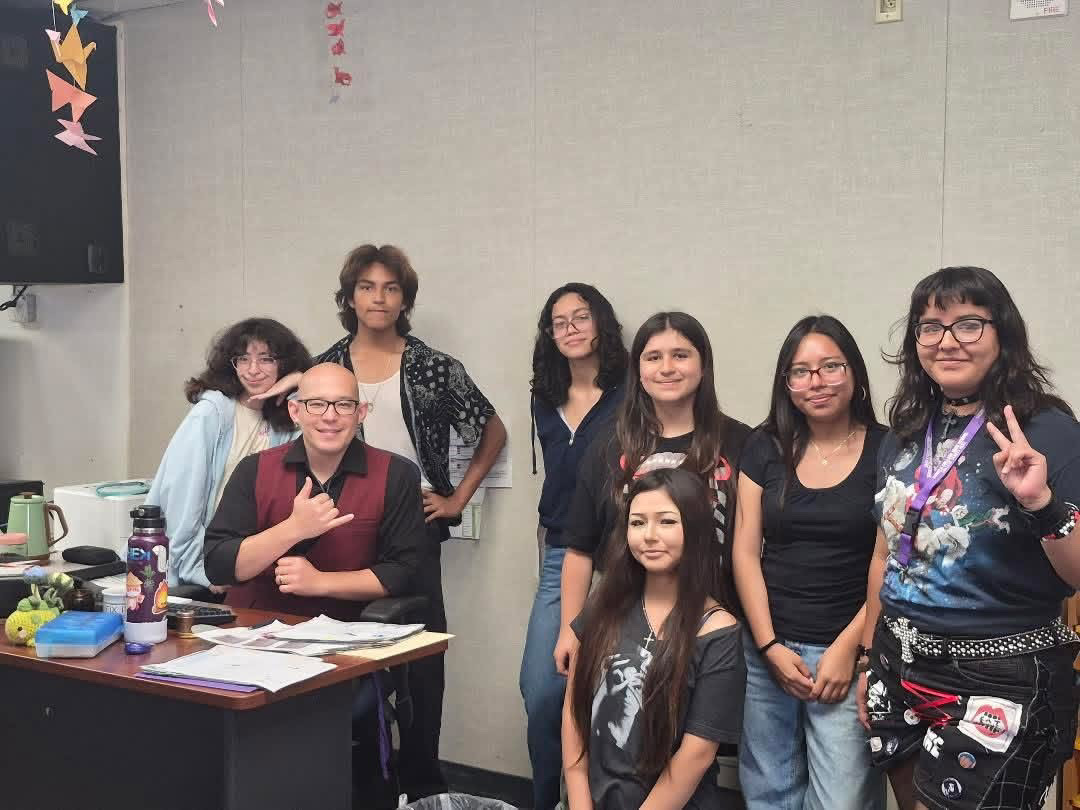
Middle College High School (MCHS), AVID teacher Amy Holte shares her similar beliefs on the topic of idolization in students.
“I think that it's really common in our society, especially in social media, to idolize the people that we see even when it's not all truthful,” Holte said.
Holte noticed that social media plays a major role in celebrity worship. Even with this concept in mind, Holte believes it is not entirely a harmful matter.
“I think it is nice to have role models. So it's nice to have some sort of idols in your life, of someone that you respect and look up to. But I also think that it can create really unhealthy comparisons,” Holte said.
Sophomore Auri Carlos describes her struggle with excessive admiration and shares her experience.
“Yeah, many times I was supposed to be doing my work, then got distracted and I showed my friend some TikTok edits of show actors,” Carlos said.
Carlos also adds how some actors, whom she idolized, motivated her.
“I don't have a specific idol, but I've seen some actors that have played forensic scientists and it motivated me to help the community by also solving crime,” Carlos said.
These actors from various shows inspire her to help others in the community. On the other hand, social media influenced how she views the actors, to the point where these actors began to affect her in a negative way.
“Social media made me feel more connected to the shows, but once it became unhealthy, it would distract me from more important things. At some point I would think, ‘I want this life for me’,” Carlos said.
Social media fed Carlos’ idea of the actors directly. Initially this was used as a form of motivation, until her perception of these individuals led to obsession. That was when Carlos realized something was wrong and learned an important lesson that everyone should learn. To put yourself before your idols.
“I learned to care more about myself instead of making comparisons,” Carlos said