





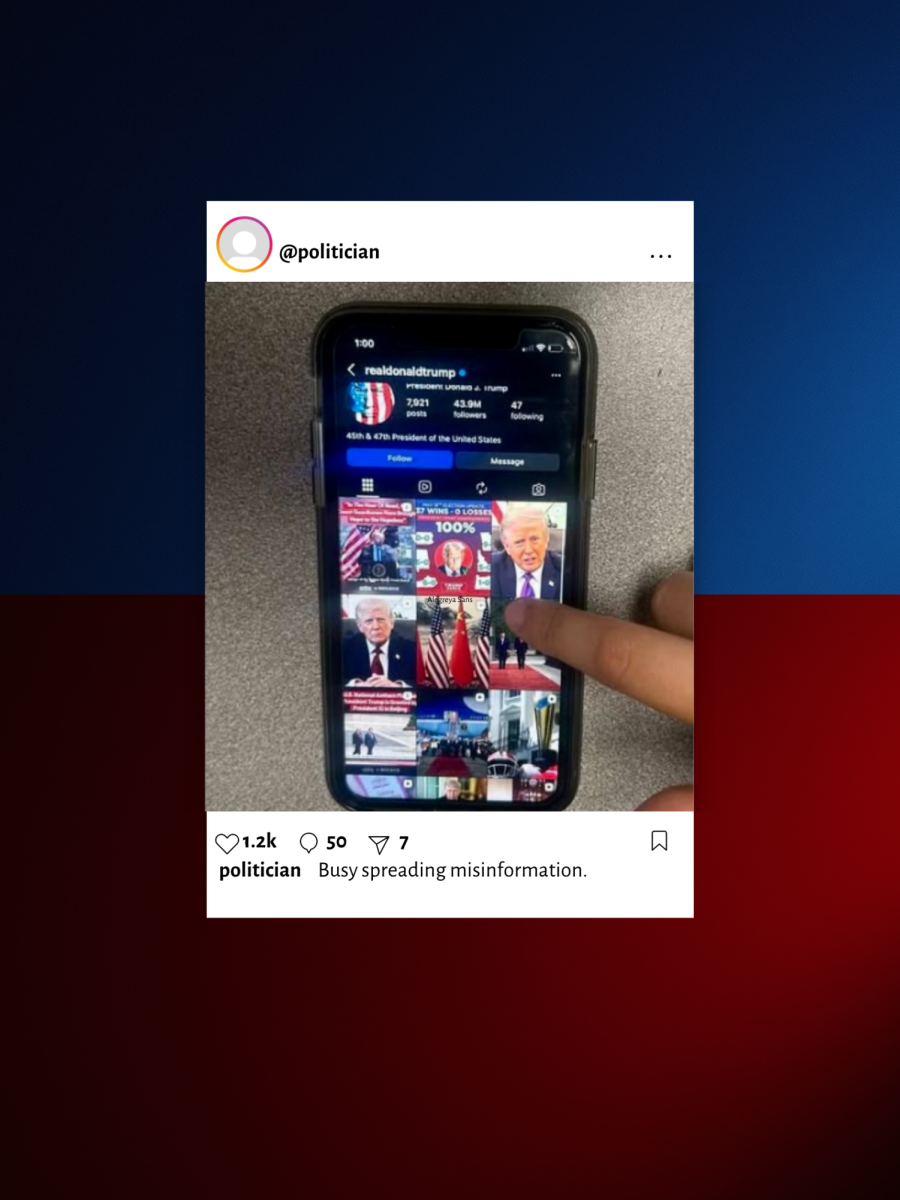

















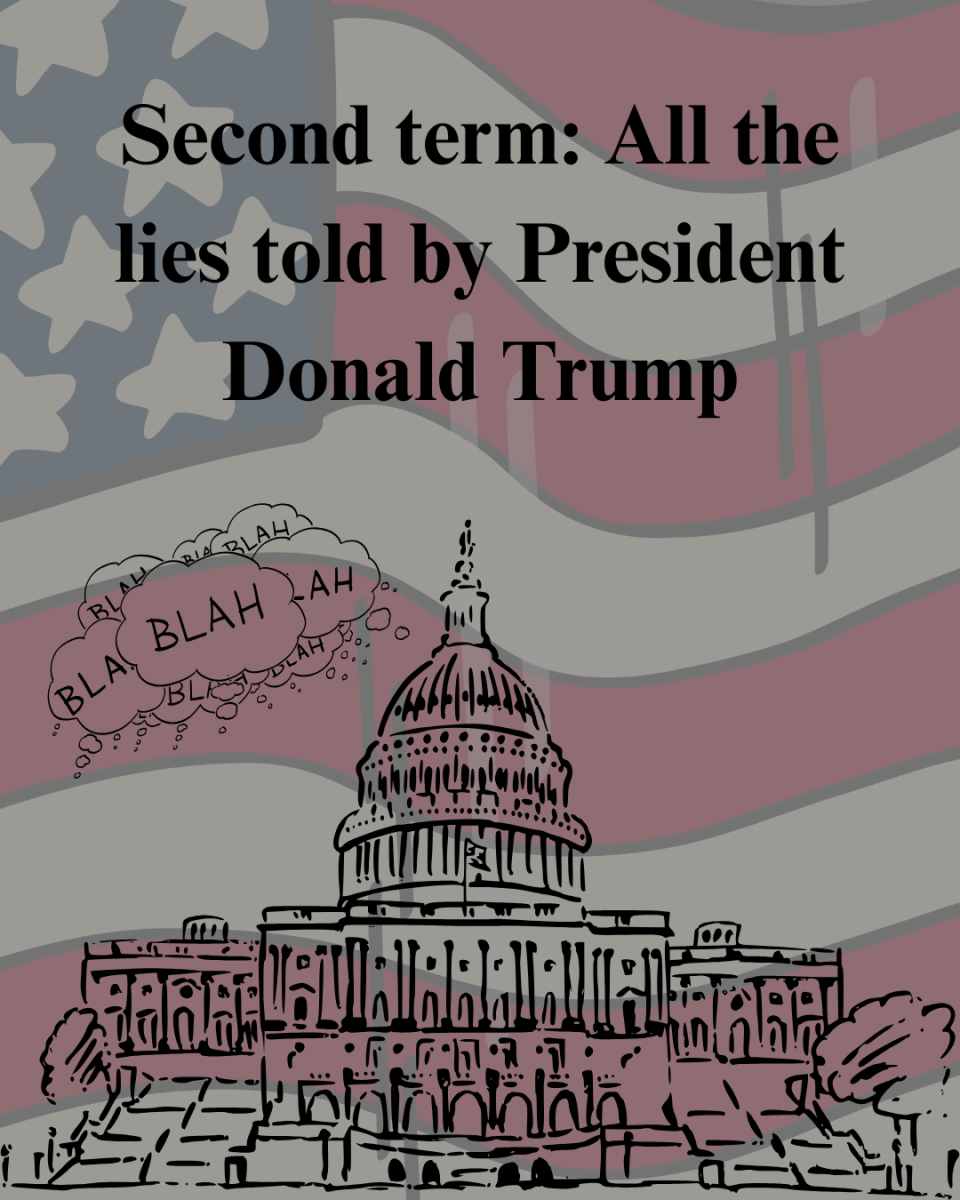
From the outset of his second term, President Donald Trump has delivered a stream of statements that critics, fact-checkers, and even some individuals working for him have repeatedly challenged as false or misleading. While concerns about truth in presidential leadership are not new, the impact of these statements is becoming especially significant among young voters, shaping how they understand politics, trust institutions, and engage in democracy.
An analysis of Trump’s second-term rhetoric shows a pattern spanning key issues — from economic performance and immigration reforms to foreign policy claims and election-related issues — where verifiable data often contradicts his public remarks. Independent fact-checking organizations and news outlets have documented these discrepancies in real time, highlighting not only the volume of inaccurate statements but also their consequences. For future young voters in particular, this creates confusion, frustration and difficulty distinguishing fact from political messaging.
These concerns are reflected in how young voters interpret political information and form opinions about leadership.
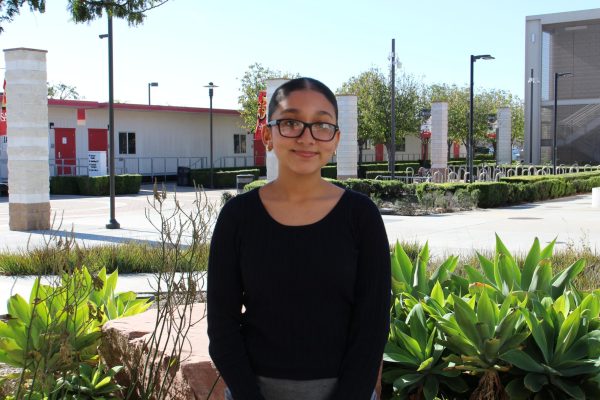
Sophomore Diana Granados shares her insights on these contradictory statements.
“They [the government] claim that they’re doing all these things but in reality they're not doing any of the things they promised and that leads voters to be frustrated,” Granados said.
This frustration is compounded when misinformation becomes a consistent part of political communication.
Sophomore Brianna Flores explained how bias plays a role in shaping misleading narratives.
“I think one of the main reasons why misinformation always tends to show up is because of the speaker’s bias towards a certain topic. For instance, sometimes politicians simplify or exaggerate information to make their ideas sound stronger or more convincing. They might also focus on facts that mostly support their side while leaving out others,” Flores said.
Misleading information doesn’t just distort political messaging, it also changes how young voters perceive important issues.
As misinformation spreads, many young voters begin to question not only politicians but the entire system. This erosion of trust can have long-term consequences for civic engagement.
“Yes, I believe false claims 100% have an impact and affect trust in government. When people find out leaders are not being truthful with their words it can lower the trust they’ve put into those leaders. When different types of misinformation keep spreading, a lot of people will start doubting everything and anything the government has to say,” Flores said.
In addition to individual responsibility, students highlighted the role of journalism in addressing misinformation and holding leaders accountable.
“In my opinion, journalists should play the role of checking facts and pointing out what is true or false. By doing this, they help the public understand what words are actually true and accurate instead of just letting leaders say what they want to say without truth over and over again,” Flores said.
At the same time, young voters recognize that they must actively evaluate the information they consume.
“Voters can learn to evaluate claims more critically by comparing information from different sources and not just trust one source. It also helps to question where the information came from and if there’s evidence behind it. Taking time to research instead of reacting quickly towards a topic is what’s most important and definitely needed more,” Granados said.
By seeking out reliable information and engaging in thoughtful discussions, young voters can better navigate a landscape shaped by conflicting narratives. However, as these perspectives show, the burden of truth is increasingly falling on the public, especially younger generations, as they work to make sense of political messaging.
Ultimately, the spread of false or misleading statements does more than distort individual facts; it reshapes how young voters view leadership, trust government, and participate in democracy.