
















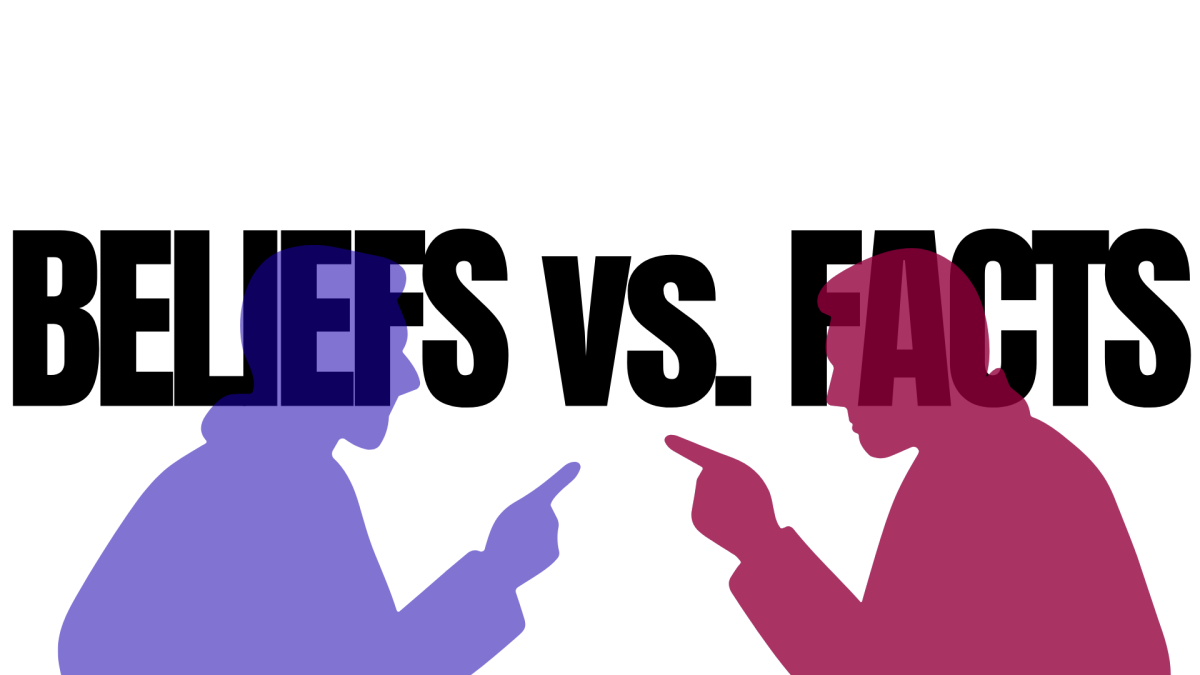
When it comes to politics, there’s a constant game of tug-of-war over which side is right or wrong.. Those who hold their political beliefs close to their hearts stand their ground and refuse to hear opinions from the opposite side of the spectrum.
Often, voters move past the potential benefits a candidate might offer and instead focus on the points that clash with their personal beliefs. A single disagreement can loom larger than a long list of policies or achievements. When this happens, decisions become less about weighing overall performance and more about protecting individual values. As more people make choices this way, the collective impact grows. Small, personal judgments stack up, shaping public opinion and influencing how entire groups vote. In a presidential race, where outcomes can hinge on narrow margins, prioritizing belief over broader evaluation can ultimately sway the direction of the election and determine who takes office.
As most are aware, the United States has two major political parties: Republican and Democratic. Both parties are somewhat similar, but in the 2024 election Donald Trump and Kamala Harris, both ran for president. Their ideas were completely different which is what triggered strong reactions from voters across the country. People began to focus less on what the parties have in common and more on the issues that divided them. Topics such as the economy, immigration, healthcare, and education took the center stage in debates, with supporters on each side emphasizing the key points that matter most to them.
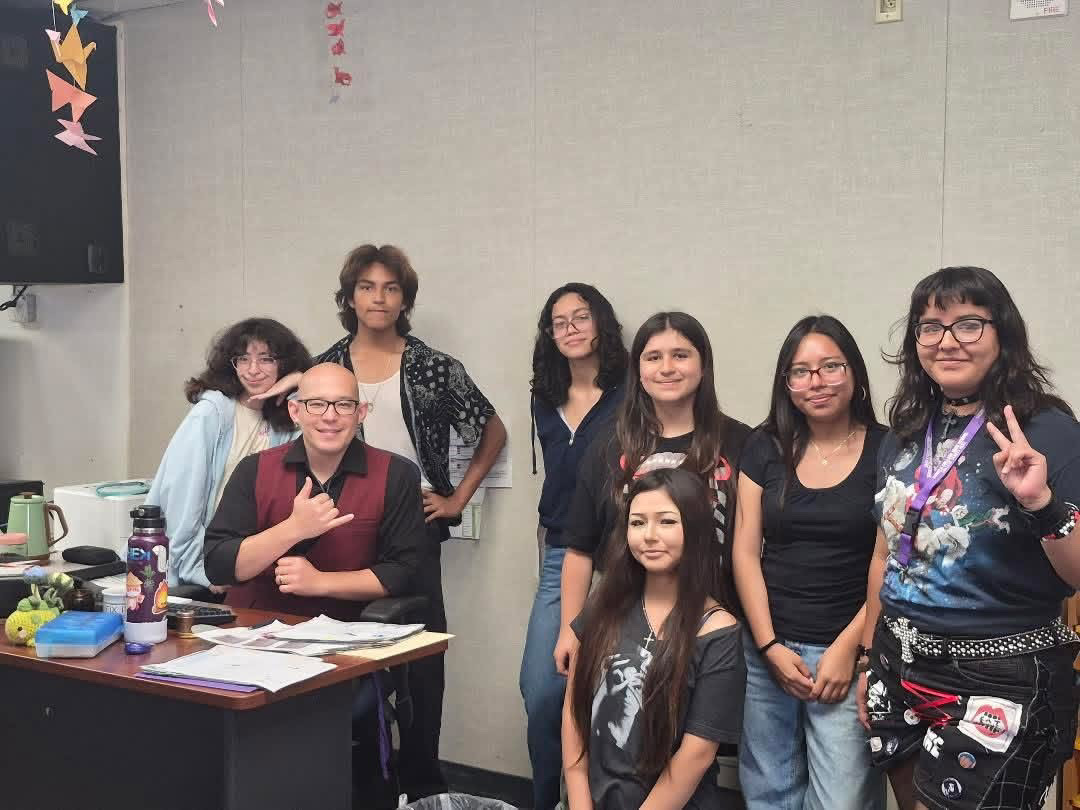
Kealakekua Moa, a teacher at Middle College High School, shares what he searches for when presidential elections come around.
“I select whatever candidate or policy is closest aligned with the bible,” Moa said.
This example illustrates how personal beliefs—whether religious or ideological—can guide voting decisions more than policy analysis. It reflects a broader pattern: in a polarized political climate, individual values and emotional connections often carry as much weight as factual evaluation in shaping election outcomes.
Research supports this as well, showing that people often resist engaging with opposing viewpoints, especially online. A large survey found that many social media users feel frustrated by encounters with political opponents and leave those discussions feeling they have even less in common than before. Other studies suggest that exposure to opposing views can actually deepen political polarization instead of reducing it, creating echo chambers where disagreements grow stronger. Observations of online interactions reveal that voters not only disagree with opposing parties on issues but also dislike and distrust people on the other side. This is one of the many reasons political debates can feel so exhausting and divisive.
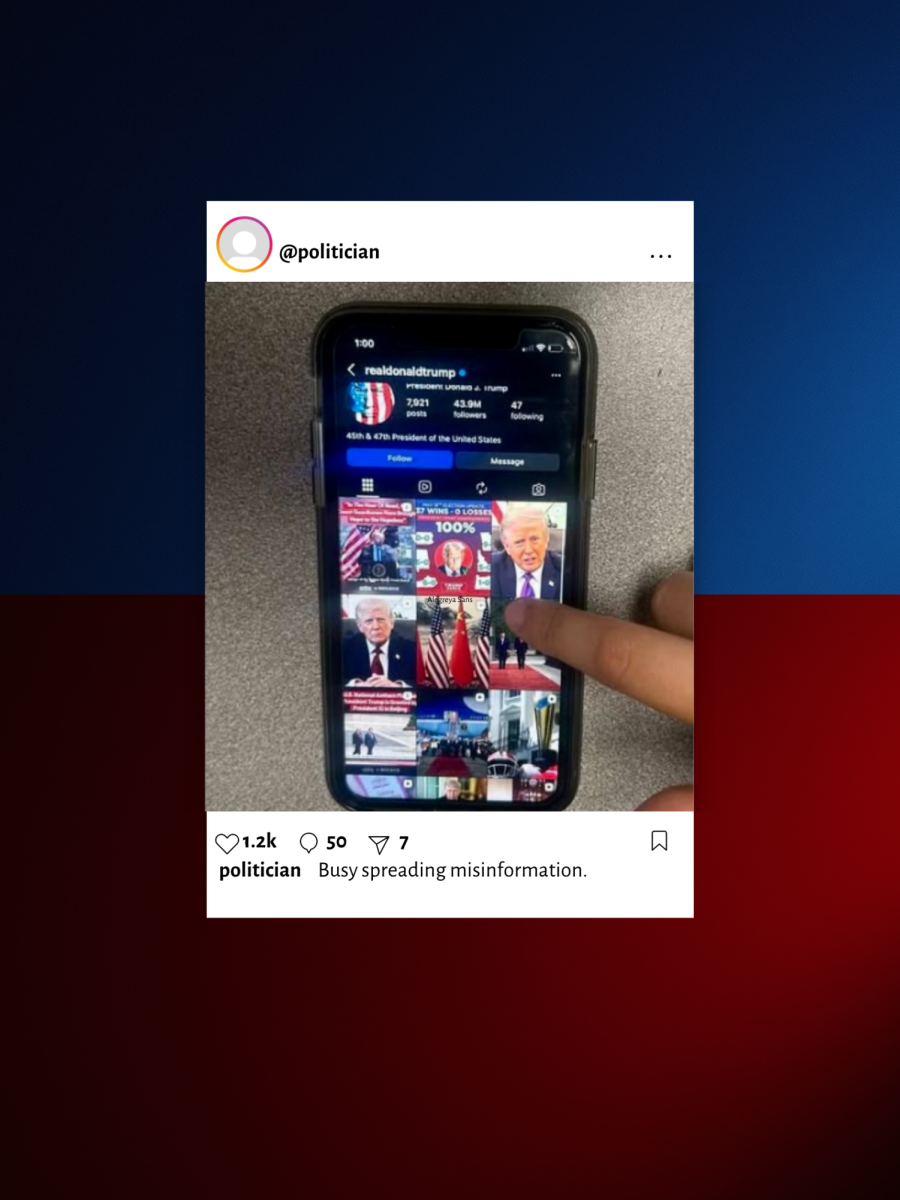
Social media also plays a significant role in these debates as well. It can influence voters to rely on more personal beliefs or emotions rather than factual information. Posts from political figures, including Donald J. Trump, often highlight emotional or controversial points rather than detailed policy explanations. For example, some of Trump’s highly shared posts framed issues in ways that sparked outrage or excitement, prompting people to react based on how they felt instead of analyzing the facts behind the policies. Research shows that exposure to emotionally charged political content increases the likelihood that users will rely on feelings and personal values rather than evidence when forming opinions.
People tend to follow accounts and share posts that align with their views, creating a bubble that makes it easy to ignore opposing perspectives. Studies show that when users encounter content they disagree with, they often dismiss it or become more entrenched in their original position. This means that even when factual information is readily available, voters may still prioritize personal beliefs, loyalty, or identity over evidence. From my perspective, this is one of the reasons politics today often feels like a contest of who feels more right, rather than who has the strongest policy plan.
Another factor that influences how people vote is identity politics. Many voters tie their political decisions to who they are—their religion, race, cultural background, or community. This shapes how they interpret facts or policies. For example, a person may reject a policy that could benefit them simply because it is associated with a candidate or group they do not identify with. This shows that political decisions are often more about who is proposing the policy than what the policy actually does. Identity can make political disagreements feel personal, which sometimes overshadows careful analysis of the facts.
Closely related to identity is the influence of cognitive biases, particularly confirmation bias. People naturally seek out information that supports what they already believe and ignore information that contradicts their worldview. This means voters might encounter clear evidence about a candidate or policy but dismiss it if it conflicts with their preexisting beliefs. It helps explain why debates over the same facts can lead to entirely different conclusions among voters—each side interprets information in a way that confirms their own values rather than challenging them.
Together, identity politics and cognitive bias help explain why so many people rely on emotion over evidence when voting. This doesn’t mean voters are uninformed or careless; it shows how human psychology shapes political thinking. We are naturally drawn to information that feels familiar or validates who we are, and that often outweighs objective evaluation. Recognizing these influences is important if we want elections to focus more on policies and facts rather than emotional reactions or group loyalty.
Elections could be made healthier if people focused on bigger issues rather than identities. While personal values are important, we miss opportunities for real progress when disagreements turn into personal attacks. If voters spent more time understanding policies, looking at facts, and respectfully engaging with opposing opinions, elections can be more productive.