






























“Big” and “Beautiful.” Impactful and dramatic words that seem fitting for a bill that aims for growth and improvement. But the flamboyant name is simply a façade to cover the wide range of negative side effects—especially towards our environment.
The One Big Beautiful Bill Act—or OBBBA—was signed into law on July 4, 2025, by President Donald J. Trump. The bill promises to boost economic growth, deliver massive tax cuts and expand the energy industry.
But, for a bill that promises such prosperity, there was much angry backlash from experts and the general public in the months it was introduced. The main reason was that, no matter what side of the political spectrum they fell on, many felt that this bill only benefited America’s top 1%. The act gave tax breaks to wealthy individuals and big corporations while simultaneously cutting funding for welfare programs—like Medicaid and SNAP benefits—which support middle- and lower-class citizens.
Still, the controversy behind the bill exceeds economic and financial concerns. The concern behind the promise of improving the energy sector—and achieving what supporters call “energy independence”—lies a winding path of negative environmental consequences.
The issue lies in the bill’s approach to boosting America’s energy industry. Essentially, the goal is to boost American oil, gas and coal and in doing so, many cuts are made to clean energy efforts. OBBBA phases out clean energy tax credits—like solar, wind, electric vehicles, and home energy-efficiency programs—while also pushing support for fossil fuel production such as oil and gas drilling. It is because of changes like these that critics argue that the bill could slow down renewable energy growth and increase reliance on fossil fuels.
Within the 870-page document that promises progress, the bill reveals how environmental protections may be weakened for the sake of preserving what is established and practical.
Fossil Fuels vs. Renewable Energy
The biggest change in the bill is how it shifts the economics of energy. Renewable energy, like wind and solar, is now widely seen as cost-competitive, but it still depends heavily on federal tax credits to expand quickly. By limiting those credits, the bill makes it more expensive and harder to build new clean energy projects at scale. At the same time, increasing support for oil and gas production lowers costs for fossil fuel companies, which encourages more investment in traditional energy instead of renewables.
This matters because energy systems don’t change quickly; they remain in place for decades. When money goes into infrastructure such as drilling sites and pipelines, those systems tend to stay in place for a long time, even as cleaner options become more advanced. Policy experts warn that this can slow down the shift away from fossil fuels and keep greenhouse gas emissions higher for longer than they otherwise would be.
That’s why this debate matters beyond politics or economics. Energy policy directly connects to climate outcomes and differences in emissions over time. Slowing renewable energy expansion doesn’t just affect the economy; it affects air quality, long-term climate stability, and the severity of future impacts, like extreme weather events.
Potential rise of Greenhouse Gases
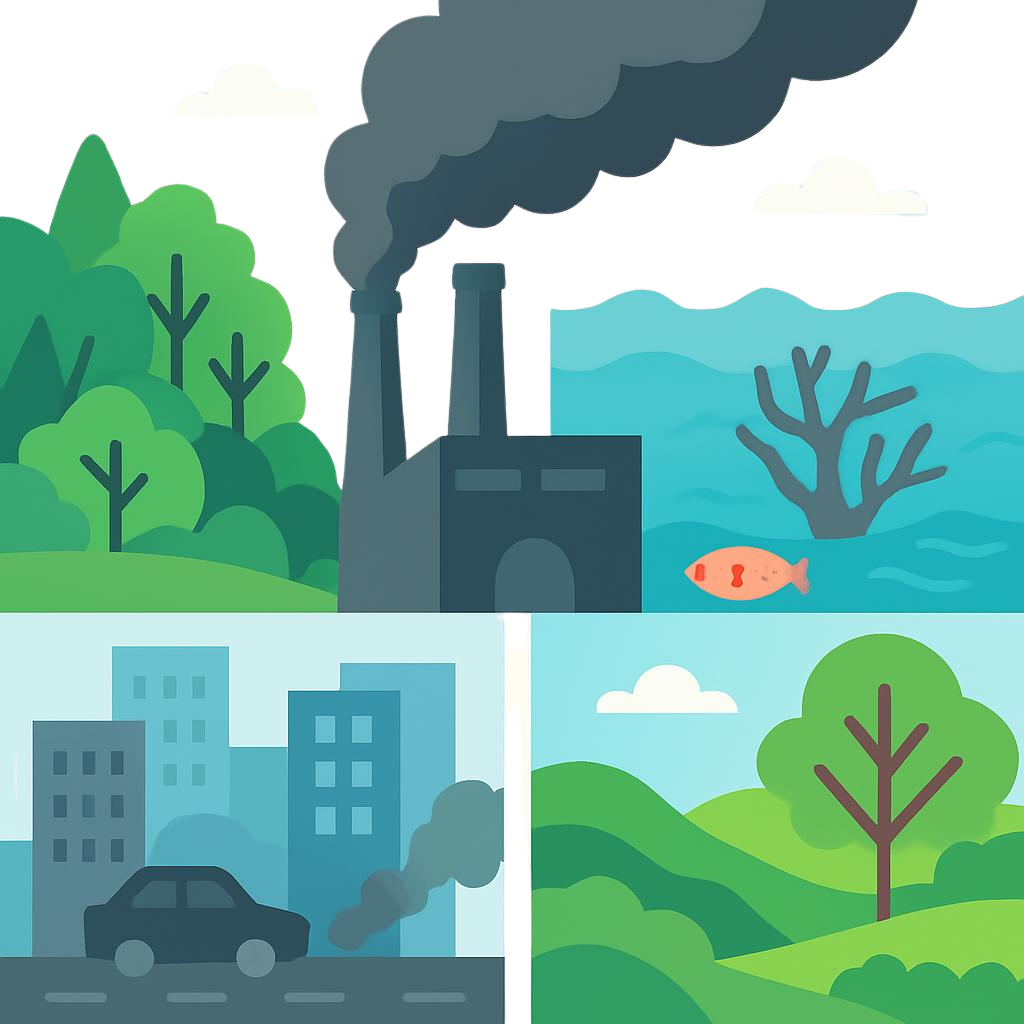
By shifting energy use back to fossil fuels, the bill could contribute to rising carbon emissions and greenhouse gases. When oil, gas and coal are used for electricity, transportation, and industrial purposes, they release large amounts of carbon dioxide and methane—two of the main drivers of climate change.
By reducing support for renewable energy and slowing the expansion of clean energy projects, the bill makes it harder for the U.S. to replace these higher-emission energy sources at the pace many scientists say is needed.
This matters because even small increases in fossil fuel use can add up over time. Energy systems are long-term, so decisions made today affect emissions for decades. If cleaner energy does not replace fossil fuels, more greenhouse gases stay in the atmosphere, which contributes to warming temperatures and stronger climate impacts like heat waves, droughts, and extreme weather.
This is also important because carbon emissions are cumulative, meaning they build up year after year. Even the smallest increase in emissions can add up over time and make it harder to meet long-term climate goals. That’s why energy policy is often treated as climate policy, since the type of energy a country invests in directly shapes its emissions.
The debate around the One Big Beautiful Bill Act isn’t just about policies or political disagreement; it’s about the kind of future we are choosing to build. Energy decisions made today will shape the environment for future generations. So whether progress pushes us toward cleaner systems or stays dependant on fossil fuels, it will have long-lasting effects.